




Phone:
+86-187-5829-6389

Views: 0 Author: Site Editor Publish Time: 2026-06-06 Origin: Site
Clinical engineering directors, biomedical equipment technicians (BMETs), and hospital procurement teams face constant pressure today. You must maintain highly reliable patient monitoring infrastructure across critical care departments. Doing so requires standardizing on dependable consumables. These vital components ensure accurate data transmission directly into your Infinity Acute Care System. When non-invasive blood pressure (NIBP) accessories fail, clinical teams lose crucial diagnostic insights. Patient safety heavily depends on immediate, seamless pneumatic performance during emergencies. This article provides an objective, technical evaluation of the widely utilized MP00912 Blood Pressure Cuff. We detail its exact specifications, strict hardware compatibility, and rigorous infection control requirements. We also outline essential procurement logic to support your confident purchasing decisions. You will learn how standardized clinical profiles prevent workflow disruptions. We will help you optimize your biomedical department inventory seamlessly. Ultimately, this guidance ensures your facility remains fully prepared for peak patient census periods without unnecessary downtime.
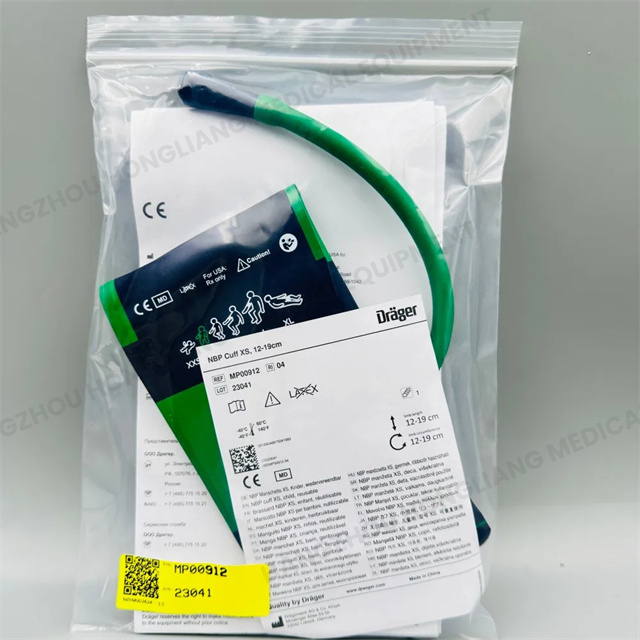
The MP00912 Blood Pressure Cuff is specifically engineered for adult patients, utilizing a single-tube design with a distinctive purple connector to ensure secure, leak-free integration with Drager Infinity systems.
OEM validation guarantees compliance with stringent clinical accuracy standards, minimizing false NIBP alarms in critical care environments.
Implementing standardized cleaning protocols significantly extends cuff lifespan and reduces cross-contamination risks without degrading the Velcro or internal bladder.
Consolidating biomedical consumable procurement can mitigate supply chain disruptions and reduce overall departmental spend.
Inaccurate NIBP readings in intensive care units or operating rooms cause severe problems. Frequent cuff failures directly lead to clinical alarm fatigue. Disrupted workflows compromise overall patient safety during critical interventions. Biomedical engineering teams understand these daily operational challenges well. You need reliable monitoring accessories to prevent bedside data interruptions.
A successful monitoring network demands strict baseline criteria. Clinicians require consistent pneumatic integrity throughout extended patient observation periods. The bladder inside the sleeve must hold pressure uniformly across the limb. Patients also require physical comfort over long durations. Hard edges or inflexible materials often cause dangerous skin breakdowns. Immediate hardware compatibility remains another essential success factor. Bedside nurses cannot waste time struggling to connect mismatched hoses.
Standardized clinical profiles offer tremendous operational advantages. Utilizing designated adult sizes prevents the need for constant manual calibration. It reduces complex troubleshooting time for busy bedside clinicians.
Reduced Alarm Fatigue: Accurate readings prevent monitors from triggering false alerts.
Improved Workflow: Nurses connect the accessory quickly and return to patient care.
Pneumatic Consistency: The single-tube system holds specific pressures without sudden micro-leaks.
Enhanced Patient Comfort: Soft materials prevent abrasive injuries during continuous monitoring cycles.
When clinicians trust their equipment, they focus entirely on healing patients. They stop fighting unpredictable machine errors. Your biomedical team serves as the backbone of this clinical confidence.
Evaluating clinical accessories requires analyzing specific physical dimensions and integrations. You must understand exactly how these parts interface across your network. Precision engineering determines the actual reliability of bedside diagnostic data. Below is a comprehensive compatibility matrix detailing core technical parameters.
Evaluation Dimension | Technical Specification Details |
|---|---|
Target Patient Profile | Adult anatomical dimensions strictly (standard circumference range validation). |
Connector Anatomy | 1-tube architecture utilizing the proprietary purple connector. |
Bladder Material | Latex-free TPU for enhanced pneumatic flexibility. |
Hardware Compatibility | Drager Delta, Kappa, Vista (Infinity Acute Care System). |
The patient profile dictates precise clinical applications. Engineers designed this specific model strictly for adult anatomical dimensions. It meets rigorous circumference range standard validations globally. Using incorrect sizes guarantees skewed systolic and diastolic calculations. You must match the physical tool to the specific patient demographic.
Connector anatomy heavily influences rapid deployment in emergencies. The unit features a straightforward 1-tube architecture. It incorporates a proprietary purple connector at the end. This unique color coding provides immediate visual identification for staff. It ensures a secure, perfectly mated connection to the Drager NIBP hose. Nurses never have to guess if the seal is completely tight.
Explicit hardware compatibility eliminates integration guesswork for your department. The component supports mainline monitors within the Infinity Acute Care System. You can deploy it confidently alongside Delta, Kappa, and Vista mainframes. This broad compatibility streamlines your daily equipment rotation significantly.
Standardizing bedside equipment creates a highly cohesive data ecosystem. You might manage this specific adult accessory alongside a Drager Oxygen Sensor during complex respiratory monitoring. Integrating validated OEM components maintains an incredibly accurate patient data stream. It allows central telemetry stations to display unified, trustworthy clinical metrics.
Hospitals frequently face aggressive pitches for aftermarket compatible alternatives. Procurement teams often separate these solutions into two distinct categories. You have original Drager-branded OEM units on one side. You have various unverified third-party generic replacements on the other. Making the right choice impacts both clinical outcomes and legal safety.
Performance reliability separates professional medical gear from generic substitutes. Non-OEM alternatives present severe risks of sudden measurement discrepancies. They often suffer from microscopic pneumatic leaks around the seams. Uncertified connector misalignments ruin data integrity completely. If the purple connector fails to click perfectly, the monitor misreads pressures. This single mechanical failure compromises the entire diagnostic process instantly.
Regulatory and compliance realities dictate strict adherence to original designs. Using third-party cuffs impacts existing device warranties immediately. Original manufacturers rarely support systems damaged by unverified external components. Furthermore, maintaining FDA and MDR compliance requires traceable, validated accessories. Hospital liability increases exponentially if an aftermarket part causes an adverse event. You carry the responsibility for ensuring every piece meets original standards.
Choosing original equipment protects your institution from unforeseen legal vulnerabilities. It guarantees that the physical device performs exactly as initially tested. BMETs avoid spending countless hours tracing intermittent hardware bugs. You create a safer, far more predictable intensive care environment.
Reusable NIBP components represent high-contact vectors for hospital-acquired infections (HAIs). Implementation realities in modern healthcare prioritize rigorous cross-contamination prevention. Nurses handle these accessories constantly during standard shift rotations. Blood, sweat, and topical medications easily accumulate on the external fabric. You must establish strict, enforceable cleaning protocols for your staff.
Approved disinfection practices extend the functional life of the accessory. Hospitals must utilize specific acceptable chemical agents. Proper cleaning methods do not compromise the external fabric layers. They protect the crucial Velcro grip from degrading prematurely. They also shield internal PVC and TPU components from chemical embrittlement.
Follow these standard steps to ensure proper accessory disinfection:
Disconnect Completely: Detach the purple connector safely from the main monitor hose.
Apply Approved Agent: Wipe the fabric using hospital-grade enzymatic cleaners or mild disinfectants.
Avoid Submersion: Never submerge the internal bladder in liquid to prevent internal mold.
Air Dry Thoroughly: Allow the hook-and-loop closures to dry completely before clinical reuse.
Inspect Post-Cleaning: Check the tube connection point for any chemical residue buildup.
Wear-and-tear indicators provide clear criteria for retiring an aging unit. BMETs must train clinical staff to recognize physical degradation early. Look for visibly frayed edges along the main seam. Test for compromised bladder seals near the inflation tube. Watch for failing hook-and-loop closures during standard inflation cycles. If the fabric unfastens during a measurement, discard the unit immediately.
We often compare this rigorous replacement schedule to other critical parts. This level of scrutiny mirrors managing a GE D-fend Pro Water Trap in respiratory circuits. It resembles the urgency of swapping a Datex-Ohmeda Flow Sensor before catastrophic failures occur. Preventative maintenance always supersedes reactive, emergency replacements in high-acuity wards.
Procuring reliable medical accessories requires highly strategic shortlisting logic. You need a trusted B2B parts supplier for uninterrupted clinical operations. We recommend evaluating vendors based on guaranteed minimum stock levels. Traceability of manufacturing origins prevents counterfeit parts from entering your network. Verified OEM certification remains the most critical vendor qualification standard.
Bundling orders creates massive efficiency for hospital procurement departments. You can minimize daily purchase order generation through smart consolidation. Combining routine monitor maintenance orders reduces expensive expedited shipping costs. Your team spends less time processing individual administrative requests. You gain leverage to negotiate better terms with reliable distributors.
Inventory best practices suggest pairing related technical orders together smoothly. You might pair these purchases with periodic mechanical replacements, such as a GE Printer Roller Assembly, streamlining your biomedical department inventory. Adding telemetry lead sets to the same order ensures complete bedside readiness. A holistic approach to parts management prevents sudden, unexpected weekend shortages.
Next-step actions require immediate, hands-on inventory auditing. You should audit your current NIBP accessory stock this week. Calculate your exact monthly burn rates across different hospital floors. Use this data to request bulk or tiered pricing from verified distributors. proactive supply chain management directly empowers better clinical care delivery.
We rate this component as a non-negotiable standard for any facility utilizing the Infinity Acute Care System. It perfectly balances required clinical precision with essential physical durability. The single-tube architecture and proprietary purple connector guarantee seamless, secure integrations. OEM validation ensures your monitors display accurate, trustworthy diagnostic data consistently. You eliminate the risks associated with unverified aftermarket substitutes completely.
We encourage BMETs and clinical engineering directors to take immediate action. Audit your current NIBP accessory stock for strict OEM compliance today. Check the physical wear levels on your most frequently utilized units. Verify that all bedside connections utilize the correct purple connector types. This proactive approach ensures immediate readiness for upcoming peak census periods. It empowers your clinical staff to deliver exceptional, uninterrupted patient care.
A: It uses a proprietary 1-tube architecture featuring a distinct purple connector. This design ensures instant visual identification for clinical staff. It provides a highly secure, leak-free physical connection specifically for the Drager NIBP hose.
A: No. It is specifically engineered for adult anatomical dimensions and standard arm circumferences. You must utilize different OEM part numbers for pediatric, neonatal, or bariatric profiles to maintain measurement accuracy.
A: Replacement schedules depend entirely on daily usage and cleaning frequencies. Typically, a high-use intensive care environment requires replacing reusable units every six to twelve months. Always inspect for frayed edges before applying it.
A: We strongly discourage this practice. The proprietary purple connector is designed exclusively for the Infinity Acute Care System. Using unauthorized aftermarket adapters compromises pneumatic integrity and increases false clinical alarms.