




Phone:
+86-187-5829-6389

Views: 0 Author: Site Editor Publish Time: 2026-09-23 Origin: Site
Respiratory care departments face mounting pressure to balance rigorous infection control protocols with sustainable operational budgets and supply chain realities. Selecting the optimal exhalation pathway components directly impacts patient safety, staff workflows, and long-term facility overhead. Because major health and regulatory bodies typically do not universally mandate one type over the other, the burden of choice falls entirely on individual hospital trusts and clinical directors. You must navigate competing priorities to ensure uninterrupted patient care on the ward. This guide provides a technical and financial framework for evaluating a reusable expiratory valve against its single-use counterpart. We analyze clinical equivalence, operational expenses, and implementation risks to support evidence-based procurement decisions. By examining material engineering and workflow impacts, clinical leaders can align their equipment choices with actual facility capabilities.
Clinical Equivalence: When sourced from a reputable expiratory valve manufacturer, both reusable and disposable models offer identical ventilation quality, PEEP maintenance, and flow resistance.
Cost Structures: Reusable valves require higher upfront capital and ongoing sterilization labor costs, whereas disposable valves shift the financial burden to continuous procurement and waste management.
Infection Control: Disposable options eliminate cross-contamination risks and reprocessing errors, while reusable options require strict adherence to Central Sterile Services Department (CSSD) validation protocols.
Use-Case Alignment: Disposable models excel in short-term, high-turnover environments (ER, transport), while reusable models offer superior long-term value for extended ICU ventilation.
Supply Chain Reliance: Facilities must weigh the risk of single-use stockouts against the internal capacity required to maintain a continuous loop of sterilized reusable inventory.
The mechanical role of the ventilator valve in the breathing circuit is foundational to life support. It regulates airway pressure and maintains Positive End-Expiratory Pressure (PEEP) during mechanical ventilation. It safely vents exhaled gases away from the patient while preventing ambient air from entering the circuit. The precision of this component directly influences patient-ventilator synchrony. Even minor deviations in flow resistance can increase the patient's work of breathing. Clinical teams rely on these valves to execute complex ventilation modes accurately. The physical design must accommodate rapid pressure changes without lagging or sticking.
Clinical teams monitor several core mechanical tolerances when evaluating valve performance:
Trigger Sensitivity: The valve must respond to patient effort within milliseconds to prevent asynchronous breathing.
Leak Prevention: The seal must hold firm during the inspiratory phase to guarantee accurate tidal volume delivery.
PEEP Stability: The mechanism must maintain consistent baseline pressure without fluctuating, keeping the alveoli open.
Exhaust Efficiency: The pathway must clear exhaled carbon dioxide rapidly to prevent dangerous rebreathing scenarios.
Component criticality centers heavily on the internal moving parts. The exhalation valve diaphragm ensures rapid response times during the respiratory cycle. It actively prevents dangerous leaks that could compromise tidal volume delivery. This thin, flexible membrane must form a perfect seal against the valve seat. It opens instantly upon exhalation and closes firmly before the next inspiration begins. Material fatigue or improper seating of this diaphragm immediately triggers ventilator alarms. Respiratory therapists monitor these components closely to maintain optimal lung recruitment.
Regulatory and safety standards dictate strict baseline success criteria. Any valve must meet rigorous ISO standards for biocompatibility and pneumatic precision. These performance benchmarks apply regardless of the component's lifecycle designation. Manufacturers must prove that their devices do not leach harmful chemicals into the gas pathway. They must also demonstrate consistent performance under varying humidity and temperature conditions. While performance standards are non-negotiable, choosing between single-use and multi-use remains an organizational decision. It is not a regulatory mandate. Facilities retain full autonomy to select the format that best fits their operational model.
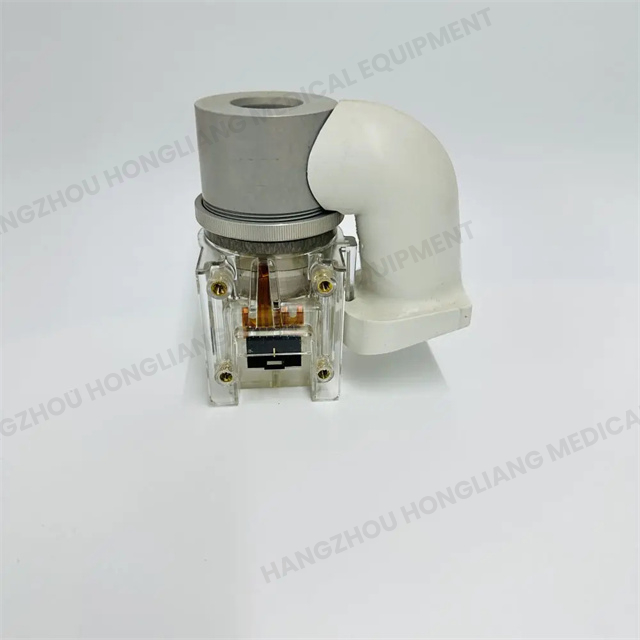
Material engineering defines the durability of multi-use respiratory components. Manufacturers construct these valves using high-grade, heat-resistant materials. Common materials include polysulfone, specialized medical-grade silicones, titanium, and high-quality stainless steel. These robust materials withstand repeated thermal and chemical stress without degrading. The housing must resist micro-cracking during high-temperature steam sterilization. The internal membranes must maintain their elasticity after dozens of chemical washes. Engineering tolerances are incredibly tight to ensure the valve can be disassembled and reassembled repeatedly while maintaining a perfect pneumatic seal.
The operational reality of utilizing reusable ventilator accessories involves a strict reprocessing workflow. Clinical staff initiate the process with point-of-use pre-cleaning immediately after patient disconnection. The equipment then transfers to the Central Sterile Services Department (CSSD). Technicians disassemble the unit and place it in automated washer-disinfectors. Following chemical disinfection, the components undergo high-temperature autoclaving. Finally, trained personnel reassemble the valve and perform functional testing. This labor-intensive cycle demands dedicated infrastructure and highly trained staff to execute safely.
The standard reprocessing workflow for these components includes:
Point-of-Use Wipe Down: Bedside removal of gross soil immediately after patient disconnection to prevent bio-burden hardening.
Enzymatic Soak: Submersion in specialized detergents to break down organic matter and respiratory secretions.
Automated Washing: High-pressure thermal disinfection inside a mechanical washer to clean internal channels.
Steam Sterilization: Autoclaving at high temperatures to eradicate all microbial life and spores.
Microscopic Inspection: Checking the silicone membranes for hairline fractures, warping, or material fatigue.
Lifecycle tracking is an absolute necessity for multi-use medical devices. Facilities must track sterilization cycles carefully to prevent material failure. This tracking ensures the valve and its internal components do not exceed their validated lifespan. Most manufacturers define this limit strictly, typically between 50 and 100 cycles. Hospitals utilize barcode scanning, RFID tags, or manual logbooks to monitor usage. Exceeding the recommended cycle count risks catastrophic diaphragm failure during patient ventilation. Strict adherence to these tracking protocols prevents unexpected clinical emergencies.
These models represent the optimal choice for specific clinical scenarios. Long-term ventilation environments benefit significantly from multi-use components. Chronic care facilities and extended ICU stays require stable, long-lasting equipment. The long-term reduction in physical waste aligns with institutional sustainability goals. However, facilities must weigh this environmental benefit against their heavy reliance on CSSD infrastructure. There is also a continuous risk of component degradation over time. Proper maintenance and rigorous inspection are mandatory to realize the benefits of reusable technology.
Analyze the design of a disposable expiratory valve to understand its operational advantages. Manufacturers typically produce these units from medical-grade plastics like polycarbonate and synthetic rubbers. They are optimized for short-term durability rather than long-term resilience. Immediate, out-of-the-box deployment is their primary mechanical advantage. The components are often ultrasonically welded together. This creates a tamper-proof, integrated unit that requires no assembly prior to use. The lightweight construction reduces the physical drag on the patient breathing circuit.
Infection control advantages are substantial and immediate. Single-use components eliminate cross-infection risks entirely. They remove reprocessing bottlenecks from the hospital workflow. Every new patient receives a pristine diaphragm guarantee. This is particularly critical when managing highly contagious respiratory pathogens. Clinical teams do not have to worry about residual biofilms or incomplete sterilization. The hygienic certainty provides peace of mind for both the patient and the healthcare provider. It significantly reduces the burden on infection prevention departments.
Workflow efficiency improves drastically when utilizing single-use accessories. Clinical staff save valuable time during bed turnover. They can discard the unit immediately after patient discharge into designated biohazard bins. They no longer need to log, disassemble, and transport contaminated equipment through the hospital corridors. This streamlined process allows respiratory therapists to focus entirely on patient care. Rapid deployment is vital during sudden surges in patient admissions. Eliminating the CSSD loop accelerates the readiness of mechanical ventilators.
Facilities typically prioritize single-use components in the following high-risk scenarios:
Emergency Transport: Rapid deployment during ambulance or helicopter transfers where reprocessing is impossible.
Isolation Wards: Managing patients with highly contagious airborne pathogens to prevent cross-contamination.
Post-Operative Recovery: Short-term ventilation where patients extubate within hours of surgery.
Surge Capacity: Sudden influxes of respiratory patients during seasonal viral peaks.
These models are the superior choice for short-term use cases. Post-operative recovery rooms, emergency departments, and patient transport require rapid turnover. Operational convenience and hygienic certainty are clear pros in these fast-paced environments. However, these benefits contrast sharply with a facility's vulnerability to supply chain disruptions. Recurring procurement demands require robust inventory management. Increased medical waste generation is a notable con. Hospitals must manage the continuous disposal of plastic biohazards, which impacts environmental sustainability targets.
Dispel the myth of performance disparity immediately. Industry case studies demonstrate that ventilation quality is virtually identical between formats. Pneumatic resistance matches perfectly between high-quality reusable and disposable variants. A reputable expiratory valve manufacturer ensures that both product lines meet the exact same clinical tolerances. Physicians will not notice a difference in trigger sensitivity or pressure delivery. The choice between the two does not compromise the standard of respiratory care provided to the patient.
Engineering and design complexity impact daily usability on the ward. Reusable valves require complex engineering to function safely over years of use. They must allow safe disassembly and reassembly without compromising the pneumatic seal. The retaining rings and membranes must fit together intuitively to prevent user error. Disposable valves often feature integrated, non-removable diaphragms. This prevents tampering and simplifies application. The sealed design of single-use models eliminates the risk of missing parts during ventilator setup.
Financial evaluation requires looking beyond the initial purchase price to understand true operational impact. Reusable models demand significant upfront capital expenditure. They also incur continuous operational costs related to sterilization labor, chemical consumables, and periodic replacement parts. Disposable units shift the financial burden entirely. They require continuous procurement budgets, higher disposal fees, and dedicated physical storage space. Facilities must analyze their specific budgetary structures. Capital-rich facilities may prefer reusable models, while those with flexible operational budgets might lean toward disposables.
Supply chain resilience is another critical factor in this evaluation. Relying on a medical equipment supplier for continuous high-volume deliveries carries inherent risk. Global shipping delays can quickly deplete single-use inventories. Securing low-volume replacement parts and sterilization consumables offers a different operational profile. Environmental mandates also play a major role in modern healthcare. Generating continuous plastic biohazard waste impacts institutional sustainability goals. Conversely, continuous autoclaving demands high water, chemical, and energy consumption. Neither option is entirely free of environmental impact.
Evaluation Criteria | Reusable Expiratory Valve | Disposable Expiratory Valve |
|---|---|---|
Clinical Performance | Identical ventilation quality and PEEP maintenance. | Identical ventilation quality and PEEP maintenance. |
Infection Control | Relies heavily on strict CSSD validation protocols. | Eliminates cross-contamination risks entirely. |
Workflow Impact | Requires logging, transport, and reprocessing time. | Immediate disposal saves clinical staff time. |
Financial Structure | High initial capital, ongoing labor and maintenance. | Continuous procurement and waste management costs. |
Ideal Application | Extended ICU ventilation and chronic care facilities. | ER, patient transport, and short-term recovery. |
Managing reprocessing failures is critical for multi-use equipment. Micro-tears in the diaphragm pose a significant risk to patient safety. Incomplete sterilization or reassembly errors can lead to immediate ventilator malfunction. Even a microscopic scratch on the valve seat can cause a continuous pressure leak. Implement strict visual inspection protocols to mitigate these risks. Use magnifying equipment to check membranes for fatigue. Mandatory staff competency testing is essential for all CSSD personnel handling respiratory gear. Digital lifecycle tracking systems help monitor usage limits accurately and prevent over-extension of component lifespans.
Mitigating inventory shortages is vital for single-use components. Global supply chain bottlenecks can lead to critical stockouts without warning. A sudden spike in respiratory illnesses can deplete a hospital's inventory in days. Establish robust par levels to protect your facility from sudden shortages. Diversify vendor contracts to ensure continuous supply from multiple geographic regions. Maintain a contingency stockpile of reusable valves. This serves as a reliable backup during unforeseen disposable shortages. Cross-training staff on both formats ensures operational flexibility during crises.
Risk Category | Primary Threat | Mitigation Strategy |
|---|---|---|
Reprocessing | Micro-tears in the silicone diaphragm causing pressure leaks. | Implement mandatory microscopic visual inspections post-sterilization. |
Supply Chain | Global shipping delays causing single-use stockouts. | Maintain a 30-day emergency stockpile of reusable backup valves. |
Infection Control | Incomplete sterilization leading to cross-contamination. | Utilize biological indicators in every autoclave cycle. |
User Error | Incorrect reassembly of multi-part reusable valves. | Conduct quarterly competency testing for all respiratory staff. |
Transitioning between formats requires careful change management. Switching from reusable to disposable alters daily habits for nursing and respiratory staff. Clear communication regarding disposal protocols prevents single-use items from accidentally entering the sterilization loop. Conversely, transitioning to reusables requires expanding CSSD capacity. Facilities must ensure their autoclaves can handle the increased daily volume. Conduct thorough pilot programs before executing a complete department-wide switch. Gather feedback from frontline users to identify workflow bottlenecks early in the transition phase.
To finalize your procurement strategy, clinical directors and supply chain managers must take immediate, concrete actions. Transitioning or optimizing your current ventilator fleet requires hands-on evaluation and strict departmental alignment.
Audit your current CSSD throughput capacity to determine if your facility can handle an increased volume of daily sterilization cycles.
Request physical samples of both valve formats from your primary vendors to conduct a two-week clinical trial in a controlled ICU setting.
Establish a hybrid inventory protocol that maintains a 30-day emergency stockpile of single-use valves alongside your standard reusable fleet.
Update your internal infection control guidelines to explicitly define which patient demographics mandate single-use components.
A: Yes. When sourced from reputable manufacturers, disposable and reusable valves offer identical clinical performance. They provide the same level of ventilation quality, flow resistance, and PEEP maintenance. The difference lies entirely in their material durability and intended lifecycle, not their pneumatic precision.
A: No. Major health and regulatory bodies do not universally mandate one type over the other. Both formats must meet strict ISO standards for safety and performance. The choice between single-use and multi-use is an organizational decision based on facility capabilities and infection control policies.
A: Disposable models are ideal for short-term ventilation, such as in emergency departments or post-operative recovery, due to rapid turnover. Reusable models are better suited for long-term ventilation in ICUs or chronic care facilities, where they offer better operational value over extended periods.
A: The safe sterilization limit depends strictly on the manufacturer's validated instructions for use. Typically, high-quality reusable valves can withstand between 50 and 100 sterilization cycles. Facilities must track these cycles meticulously to prevent material fatigue and ensure patient safety.
A: The primary risks involve incomplete sterilization and residual biofilms. If CSSD protocols are not strictly followed, cross-contamination can occur. Additionally, micro-tears in the diaphragm from repeated processing can harbor pathogens. Strict adherence to cleaning guidelines and visual inspections mitigates these risks.