


Phone:
+86-187-5829-6389

Views: 0 Author: Site Editor Publish Time: 2026-01-20 Origin: Site
Oxygen sensors play a crucial role in the performance of vehicles and machinery by monitoring the levels of oxygen in the exhaust gases. This information is vital for the engine control unit (ECU) to optimize fuel injection and air-fuel mixture, ensuring efficient combustion. A well-functioning oxygen sensor helps improve fuel efficiency, reduce harmful emissions, and enhance overall engine performance. Over time, however, oxygen sensors can accumulate carbon, oil, and other contaminants, which can lead to inaccurate readings and decreased efficiency. Cleaning these sensors is necessary to maintain their functionality, restore optimal engine performance, and keep emissions within regulated limits. Regular maintenance and cleaning of the oxygen sensor can prolong its lifespan and contribute to a smoother-running vehicle or machinery.
Oxygen sensors are essential components in modern vehicles and industrial equipment, responsible for monitoring the level of oxygen in the exhaust gases. In cars, the oxygen sensor provides critical feedback to the engine control unit (ECU) to regulate the air-fuel mixture, ensuring the engine runs efficiently. In industrial applications, it helps optimize combustion processes to reduce fuel consumption and lower emissions.
An oxygen sensor typically consists of a sensing element made from a ceramic material (often zirconium dioxide) that is coated with platinum electrodes. The sensor is housed in a steel casing, which is designed to withstand high temperatures and harsh exhaust conditions. The sensor is usually installed in the exhaust system, either before or after the catalytic converter, where it can accurately measure the oxygen content in the exhaust gases.
The oxygen sensor works by detecting the difference in oxygen levels between the exhaust gases and the outside air. The zirconium dioxide element in the sensor generates a voltage based on this difference, which is then sent to the ECU. When the engine is running rich (too much fuel), there will be low oxygen levels in the exhaust, and the sensor will produce a low voltage signal. Conversely, if the engine is running lean (too little fuel), the oxygen levels will be higher, and the sensor will generate a higher voltage signal.
Oxygen sensors are vital for maintaining engine performance, fuel efficiency, and reducing harmful emissions. However, over time, these sensors can become contaminated by various factors, which can affect their ability to function properly. Cleaning the oxygen sensor is essential to restore its accuracy and prolong its lifespan.
Carbon Build-Up: Carbon deposits from incomplete combustion can accumulate on the oxygen sensor, especially in engines that are not running at optimal efficiency. This build-up can obstruct the sensor's ability to detect oxygen levels accurately.
Oil Residue: Oil leaks or excessive oil consumption in the engine can result in oil residue coating the oxygen sensor. This can interfere with the sensor’s ability to measure the exhaust gases correctly, leading to faulty readings.
Moisture: Exposure to excessive moisture or water vapor can also cause corrosion or deposits on the sensor’s surface, which may reduce its effectiveness. In some cases, condensation within the exhaust system can accumulate and impact the sensor.
Silicon Contamination: The presence of silicon, often found in silicone-based products like sealants or oils, can coat the sensor, rendering it less responsive and causing inaccurate readings.
Reduced Fuel Efficiency: A contaminated oxygen sensor can send incorrect signals to the engine control unit (ECU), causing it to miscalculate the air-fuel mixture. This can lead to the engine running either too rich (excess fuel) or too lean (insufficient fuel), both of which decrease fuel efficiency.
Increased Emissions: A malfunctioning oxygen sensor can result in improper fuel combustion, leading to higher emissions of harmful gases, such as carbon monoxide (CO), nitrogen oxides (NOx), and unburned hydrocarbons. This can contribute to air pollution and cause the vehicle to fail emission tests.
Engine Health and Performance: If the engine is running too rich or too lean due to inaccurate sensor readings, it may experience rough idling, poor acceleration, engine misfires, or stalling. Prolonged performance issues may also cause damage to other critical engine components, like the catalytic converter, resulting in costly repairs.
Oxygen Sensor Cleaner: Special cleaner for sensors.
Soft Brush: Toothbrush or similar.
Wrench or Oxygen Sensor Socket: To remove the sensor.
Gloves & Safety Glasses: For protection.
Rags: For wiping excess dirt.
Locate the Sensor: Usually before or after the catalytic converter.
Let the Engine Cool: Avoid burns from hot components.
Disconnect Wiring: Detach the electrical connector.
Remove the Sensor: Use a wrench or sensor socket. If stuck, apply penetrating oil.
Inspect the Sensor: Look for cracks or wear. Replace if damaged.
Apply Cleaner: Spray the cleaner on the sensor’s surface.
Scrub with Brush: Gently remove debris with a soft brush.
Wipe Off Excess: Clean off the remaining solution with a rag.
Look for cracks, corrosion, or excessive wear. If damaged, replace the sensor.
Apply Anti-Seize Compound: Optional, to prevent seizing.
Reinstall the Sensor: Tighten securely, but not too tight.
Reconnect the Wiring: Ensure a firm connection.
Test the Sensor: Start the engine and check for any warning lights.
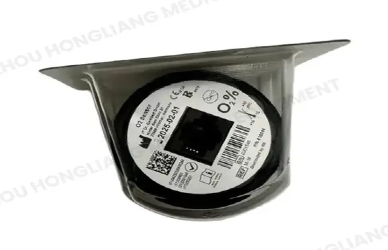
Oxygen sensors are vital for engine performance and emissions control, but they can experience issues over time. Here are some common problems and troubleshooting methods:
Problem: The sensor may send incorrect voltage signals to the engine control unit (ECU), affecting the air-fuel mixture.
Solution: Clean the sensor to remove any carbon or oil buildup. If cleaning doesn’t resolve the issue, consider replacing the sensor.
Problem: A dirty or malfunctioning oxygen sensor may cause the engine to run too rich (too much fuel) or too lean (too little fuel), reducing fuel efficiency.
Solution: Clean the sensor to restore proper function. If fuel efficiency remains poor, replace the sensor to ensure optimal fuel management.
Problem: A malfunctioning oxygen sensor often triggers the check engine light (CEL) and generates error codes (e.g., P0130, P0420).
Solution: Use an OBD-II scanner to read the codes. Clean the sensor if it’s clogged. If the sensor is damaged, replace it.
Problem: A faulty oxygen sensor can cause incorrect fuel-to-air mixture, leading to engine stalling or rough idling.
Solution: Check and clean the oxygen sensor. If the issue persists, replace it to restore smooth engine operation.
Problem: A malfunctioning oxygen sensor can lead to high emissions of harmful gases, causing your vehicle to fail an emissions test.
Solution: Clean the sensor to ensure accurate readings and proper emissions control. If cleaning doesn’t help, replace the sensor.
Cleaning can restore some functionality, but there are times when replacement is necessary. Here’s how to know when to replace your oxygen sensor.
Persistent Check Engine Light (CEL): If the light stays on after cleaning, the sensor may be too damaged to fix.
Poor Fuel Efficiency: If cleaning doesn’t improve mileage or fuel usage, the sensor may need replacing.
Failed Emissions Test: If emissions problems persist, the sensor is likely malfunctioning.
Visual Damage: Check for cracks, corrosion, or other visible damage to the sensor.
Error Codes: Codes like P0130 or P0420 suggest the sensor needs replacing.
Slow Response: A delayed response time or poor adjustment of the air-fuel mixture indicates failure.
Age: Oxygen sensors typically last 60,000 to 100,000 miles. If it’s beyond this, consider replacing it.
It's recommended to clean the oxygen sensor every 10,000 to 20,000 miles, depending on vehicle usage and manufacturer guidelines.
Check if the check engine light goes off or use a diagnostic tool to monitor sensor response to ensure it’s functioning well.
If the sensor is visibly damaged, such as cracked or corroded, cleaning will not help. It’s best to replace the sensor.
Use a specialized oxygen sensor cleaner. Avoid using oil-based or harsh chemicals that could damage the sensor.
Regular maintenance of oxygen sensors is crucial for ensuring optimal engine performance and reducing harmful emissions. Over time, oxygen sensors can accumulate debris and contaminants that affect their functionality, leading to poor fuel efficiency, increased emissions, and engine performance issues. By regularly cleaning and inspecting the sensor, you can help maintain its accuracy and extend its lifespan. This not only ensures that your vehicle runs efficiently, but also helps avoid costly repairs and keeps your vehicle compliant with environmental standards. Proactively maintaining your oxygen sensor is an easy and effective way to keep your engine running smoothly and minimize long-term costs.