


Phone:
+86-187-5829-6389

Views: 0 Author: Site Editor Publish Time: 2026-01-21 Origin: Site
Oxygen sensors are crucial components in modern engine management systems, playing a key role in optimizing fuel efficiency and controlling emissions. They continuously monitor the levels of oxygen in the exhaust gases, sending real-time data to the engine control unit (ECU) to adjust the air-fuel mixture. This ensures the engine operates efficiently, reducing harmful emissions and improving fuel economy. Testing the oxygen sensor is vital to ensure it’s working properly. A malfunctioning sensor can lead to poor engine performance, increased fuel consumption, and higher emissions. Regular testing helps detect issues early, allowing for timely maintenance or replacement, thus ensuring the engine runs smoothly and stays within environmental regulations.
Oxygen sensors are essential for maintaining fuel efficiency and emission control in modern vehicles. They monitor the oxygen content in the exhaust gases and send this data to the engine control unit (ECU). The ECU adjusts the air-fuel mixture accordingly, ensuring optimal combustion, improving fuel economy, and reducing harmful emissions.
Fuel Efficiency: By providing real-time data on the oxygen level in the exhaust, the sensor helps the ECU fine-tune the air-fuel ratio. This leads to more efficient combustion, better mileage, and reduced fuel consumption.
Emission Control: The oxygen sensor helps regulate the engine’s performance in a way that minimizes harmful emissions such as carbon monoxide (CO) and nitrogen oxides (NOx), ensuring the vehicle complies with environmental standards.
Testing the oxygen sensor becomes crucial when the vehicle exhibits any of the following symptoms:
Poor Fuel Efficiency: A faulty oxygen sensor can cause the engine to run too rich (too much fuel) or too lean (too little fuel), leading to increased fuel consumption.
Check Engine Light: The most common sign that something is wrong. A malfunctioning oxygen sensor often triggers a check engine light, and the vehicle’s diagnostic system will generate an error code.
Rough Idle or Poor Acceleration: If the oxygen sensor is not functioning properly, it can cause the engine to run erratically, leading to rough idling or sluggish acceleration as the air-fuel mixture isn’t balanced correctly.
Increased Emissions: If the oxygen sensor fails to accurately monitor exhaust gases, it can result in higher emissions, contributing to pollution and potentially causing the vehicle to fail emissions tests.
To properly test an oxygen sensor, you will need a few essential tools to ensure accurate readings and maintain safety. Here’s a breakdown of the necessary equipment:
Multimeter: A multimeter is essential for testing the voltage output of the oxygen sensor. By measuring the voltage signal, you can determine whether the sensor is responding correctly to changes in the air-fuel mixture. The multimeter will show the voltage fluctuations that indicate sensor performance.
OBD-II Scanner: An OBD-II (On-Board Diagnostics) scanner is a powerful tool that plugs into your vehicle’s diagnostic port to read error codes from the ECU. It can help you identify specific issues with the oxygen sensor, such as faulty readings or performance failures. It’s a quick way to check if the sensor is the source of problems like poor fuel efficiency or the check engine light.
The vehicle service manual provides specific information on the location of the oxygen sensor(s), the exact voltage readings to expect, and any specific procedures required for your vehicle model. It’s important to consult the manual to ensure you’re following the correct testing process and interpreting results accurately.
Gloves: Protective gloves are essential for handling the sensor and any potentially hot or sharp parts in the engine bay. They also help protect your hands from dirt, oil, or chemicals that may be present in the exhaust system.
Safety Glasses: Always wear safety glasses to protect your eyes from any debris or cleaning agents that might splash while working on or near the oxygen sensor.
Testing your oxygen sensor involves a series of checks to ensure it’s functioning properly. Here’s a clear, step-by-step guide to help you through the process.
What to Look For:
Check the sensor for visible damage, such as cracks or wear on the casing.
Look for contamination like oil residue, carbon build-up, or dirt on the sensor’s surface. These can affect its performance.
Ensure the sensor’s wiring and connector are intact and free of corrosion or fraying.
Why It Matters: Physical damage or contamination can prevent the sensor from providing accurate readings, making it essential to inspect it closely before further testing.
Setup:
Set your multimeter to measure DC voltage (usually 0-1V range).
Place the multimeter leads on the sensor’s signal wire (usually the middle pin) and ground.
Testing:
Start the engine and allow it to reach operating temperature.
Check Voltage Output: A properly functioning oxygen sensor typically fluctuates between 0.1V to 0.9V as the engine control unit adjusts the air-fuel mixture.
Observe the Voltage: The voltage should rapidly change when you rev the engine or accelerate, indicating that the sensor is responding to changes in the air-fuel ratio.
What It Tells You: If the voltage is stuck at a constant value (e.g., 0.0V or 1.0V) or doesn’t fluctuate, it may indicate a faulty sensor.
Connect the OBD-II Scanner:
Plug the OBD-II scanner into your vehicle's diagnostic port, usually located under the dashboard.
Scan for Diagnostic Trouble Codes (DTCs):
Run a diagnostic scan to retrieve any error codes related to the oxygen sensor. Common codes like P0130 or P0420 can indicate issues with the sensor.
What It Tells You: The codes help pinpoint whether the sensor is malfunctioning or if there’s another issue (e.g., wiring or ECU problems). The scanner can also provide live data showing how the sensor is performing in real-time.
What to Do:
While monitoring the sensor's voltage output with the multimeter, accelerate the engine or rev it a few times.
What to Look For:
A properly functioning sensor should respond quickly to changes in the air-fuel mixture, causing the voltage to fluctuate rapidly. The faster the response, the better.
If the sensor’s voltage changes slowly or doesn’t respond to changes in throttle, it may be sluggish or failing.
What It Tells You: A slow response time indicates the sensor is not adjusting the air-fuel ratio effectively, which can affect engine performance and fuel efficiency.
Once you’ve tested your oxygen sensor, it’s important to interpret the results to determine if it’s functioning properly or needs replacing.
Normal Voltage Fluctuations: A healthy sensor fluctuates between 0.1V and 0.9V. Rapid voltage changes indicate it’s adjusting the air-fuel mixture correctly.
Signs of Trouble:
No fluctuation: Constant 0.0V or 1.0V suggests a failing sensor.
Slow fluctuations: Sluggish voltage response indicates poor sensor performance.
What It Means:
Healthy: Rapid changes in voltage.
Faulty: Stagnant or slow voltage fluctuations.
Common OBD-II error codes include:
P0130 – Circuit malfunction, sensor failure.
P0133 – Slow response, contamination or wear.
P0420 – Efficiency below threshold (could be the sensor or catalytic converter).
P0140 – No activity, sensor or wiring issue.
P2195 – Stuck lean, sensor failure.
What It Means: Codes related to circuit issues or slow response usually indicate a malfunctioning sensor that may need replacing.
No Voltage Changes: If the voltage doesn’t fluctuate when revving the engine, the sensor is likely faulty.
Slow Response: If the sensor’s reaction time is delayed, replacement is needed.
Persistent Error Codes: Codes like P0130 or P0133 indicate sensor issues that cleaning won’t fix.
Physical Damage: Signs of corrosion, cracks, or contamination suggest it’s time for a replacement.
Mileage: If the sensor is over 60,000–100,000 miles, replacement is often needed due to wear.
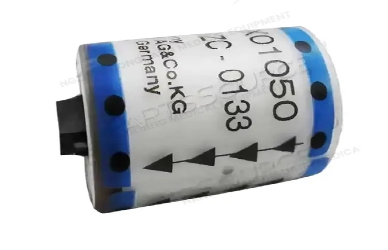
When testing an oxygen sensor, several issues can be detected that indicate it may be malfunctioning. Here are the most common problems:
What It Means: If the sensor’s voltage fluctuates abnormally or stays at a constant value (e.g., 0.0V or 1.0V), it may be failing to accurately measure the air-fuel mixture.
Possible Causes:
Electrical issues within the sensor.
Damaged wiring or connections.
Internal sensor malfunction.
What It Means: A healthy oxygen sensor responds quickly to changes in the air-fuel ratio. A slow response can lead to poor engine performance and fuel efficiency.
Possible Causes:
Sensor wear over time.
Contamination blocking the sensor’s ability to function.
Internal component degradation.
What It Means: Visible signs of oil, carbon buildup, or corrosion on the sensor may prevent it from functioning correctly.
Possible Causes:
Leaking oil or coolant.
Overheating.
Exposure to harsh chemicals or high levels of exhaust fumes.
What to Do: Clean the sensor if contamination is light. If damage is severe (e.g., cracked casing or corroded wiring), the sensor likely needs to be replaced.
Yes, you can test the oxygen sensor while it's still installed using a multimeter or an OBD-II scanner to check its performance.
A properly working sensor typically produces a voltage between 0.1V to 0.9V, depending on the air-fuel ratio.
These codes indicate issues such as a malfunction in the oxygen sensor circuit or the catalyst system, which may require sensor replacement.
Oxygen sensors should be tested every 30,000 to 50,000 miles or if you experience symptoms such as poor fuel economy or the check engine light turning on.
Testing your oxygen sensor is crucial for maintaining optimal engine health and ensuring that your vehicle operates efficiently with minimal environmental impact. A properly functioning oxygen sensor helps regulate the air-fuel mixture, improving fuel efficiency and reducing harmful emissions. Regular testing allows you to detect issues like erratic voltage, slow response, or contamination early, preventing further damage to the engine or other components. Early detection and maintenance can help avoid costly repairs, such as replacing expensive parts like the catalytic converter or fixing fuel system problems. By keeping your oxygen sensor in good condition, you ensure your vehicle runs smoothly, performs at its best, and remains environmentally friendly.