




Phone:
+86-187-5829-6389

Views: 0 Author: Site Editor Publish Time: 2026-06-03 Origin: Site
The Puritan Bennett 840 (PB840) ventilator serves as a critical lifeline in intensive care units globally. It relies heavily on the exhalation module to ensure precise pressure control and seamless patient synchrony. Consequently, the expiratory component remains a zero-tolerance failure point in daily clinical operations. Equipment downtime directly compromises patient safety and disrupts complex hospital workflows. Biomedical engineers and procurement teams must address these hardware vulnerabilities swiftly and accurately.
We created this definitive, evidence-based guide to help you manage these challenges effectively. You will learn how to evaluate, troubleshoot, and source the correct replacement parts. We will cover technical specifications, diagnostic strategies, and strict vendor compliance standards. By the end of this article, you will know exactly how to ensure minimal equipment downtime while meeting rigorous medical maintenance requirements.
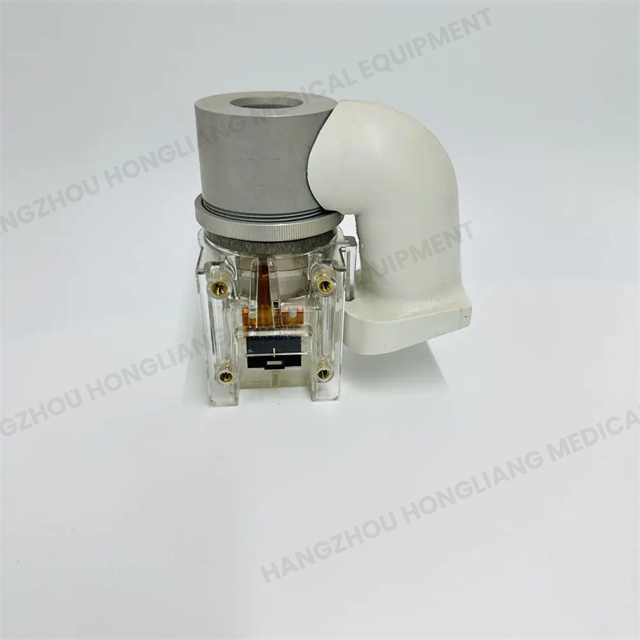
Part Verification: PN 4-076461-00 (often listed as 4-076461-SP) serves as the primary exhalation valve assembly, with backward compatibility to equivalent legacy parts like 4-072100-SP.
System Interdependency: The valve does not operate in isolation; it functions within the Breath Delivery Unit (BDU) and relies heavily on concurrent data from the Q3 exhalation flow sensor.
Failure Identification: Loss of PEEP, autotriggering, and persistent leak alarms are primary indicators of diaphragm fatigue (commonly related to silicone vs. EPDM degradation).
Cost Mitigation: Component-level replacement and specialized module repair solutions offer significant budget relief compared to full BDU module overhauls.
When sourcing replacement components, you must verify precise technical specifications. The PB840 Exhalation Valve represents a highly sensitive pneumatic assembly. Procurement teams generally encounter two primary conditions on the market: New OEM Original and certified refurbished. New OEM parts offer maximum longevity direct from the manufacturer. Certified refurbished parts provide a budget-friendly alternative. However, refurbished valves must undergo rigorous testing to guarantee they meet original factory tolerances.
Compatibility remains a frequent source of confusion. You must clearly understand fitments to avoid procurement errors. The primary part number is 4-076461-00. You will also see it listed as 4-076461-SP in technical manuals. The system architecture supports backward compatibility. If you source the older OEM alternate part number 4-072100-SP, it will still function correctly within the PB840 framework. Verify these numbers meticulously before finalizing purchase orders.
From an engineering perspective, we must examine the teardown context. The valve does not sit isolated on a shelf. It physically and functionally resides inside the Breath Delivery Unit (BDU). This location dictates a symbiotic relationship with surrounding components. The valve interacts constantly with the Exhalation Heater Assembly (4-079022-SP). It also relies heavily on the Q3 Exhalation Flow Sensor (4-072212-SP). Whenever you replace the valve, you must inspect these adjacent parts. A failing heater can allow condensation to ruin a brand-new valve. A miscalibrated Q3 sensor will feed incorrect data, making a functional valve appear defective.
Understanding the mechanism of action helps engineers pinpoint failures rapidly. The exhalation valve diaphragm regulates expiratory flow directly. It opens and closes based on signals from the control board. This dynamic movement maintains Positive End-Expiratory Pressure (PEEP) in the patient's lungs. If the diaphragm hesitates or seals poorly, PEEP fluctuates. This fluctuation disrupts patient-ventilator synchrony immediately.
You can identify a compromised valve through specific diagnostic signs. Do not rely on guesswork. Focus on objective clinical and machine indicators. The most common symptom is an inability to hold baseline PEEP. You might notice baseline drift on the pressure waveform display. Recurring exhaust or leak alarms also indicate physical wear. Autotriggering occurs when the ventilator delivers unprompted breaths because a leaky valve drops the circuit pressure artificially. These signs demand immediate technical intervention.
Material science plays a massive role in component longevity. Diaphragms face constant material fatigue. They endure millions of mechanical cycles and aggressive sterilization protocols. Manufacturers typically utilize Silicone or EPDM (Ethylene Propylene Diene Monomer) for these diaphragms. Each material reacts differently to heat, chemicals, and physical stress.
Material Comparison: Silicone vs. EPDM Diaphragms | ||
Attribute | Silicone | EPDM |
|---|---|---|
Flexibility | Extremely high, ideal for rapid mechanical cycling. | Moderate, but highly resilient over time. |
Chemical Resistance | Vulnerable to certain harsh hospital cleaning agents. | Excellent resistance to chemical degradation. |
Sterilization Tolerance | Handles autoclave cycles well but may stiffen eventually. | Superior resistance to steam and ozone sterilization. |
Common Failure Mode | Micro-tears and loss of elasticity. | Swelling or hardening if exposed to incompatible oils. |
Hospital procurement teams face a significant hurdle when ventilators fail. Procuring entirely new OEM exhalation modules or mainboards involves prohibitive costs. Furthermore, extended lead times from primary manufacturers can keep life-saving equipment offline for weeks. You cannot afford this delay during periods of high clinical demand. Finding a middle ground between cost savings and rapid deployment is essential.
Value-added service strategies offer a viable alternative. Independent service organizations now provide component-level repair. Instead of discarding an entire BDU module, technicians can isolate the fault. They perform PCB controller repair or oxygen module calibration. This targeted approach ensures original quality performance at a fraction of the expense. It restores the ventilator quickly without compromising patient safety.
Engineers must conduct a thorough risk assessment before deciding how to proceed. Sometimes, a simple part swap works perfectly. Other times, the unit requires comprehensive board-level diagnostic services to prevent recurrent failures. Follow these standardized steps to evaluate the situation:
Review the Alarm History: Check the machine logs. Isolated flow errors usually suggest a simple pneumatic issue. Cascading system errors often point to board failure.
Perform a Short Self Test (SST): Run the automated diagnostic sequence. Note exactly where the test fails. A failure at the exhalation filter stage typically requires a simple part swap.
Inspect for Moisture: Open the expiratory block. If you find heavy condensation, the heater assembly likely failed first, ruining the valve diaphragm as a secondary effect.
Evaluate Age and Cycle Count: Consider the overall age of the BDU. If the unit is near its end-of-life cycle, comprehensive diagnostic services will identify other components on the brink of failure.
Determine Turnaround Requirements: If you need the machine immediately, buy a replacement valve (PN 4-076461-00). If you have buffer stock, send the module out for deep board-level repair.
Clinical engineering departments rarely manage a single brand of equipment. Fleet management realities dictate that technicians service diverse ICU and CCU inventories. You might repair a Puritan Bennett device in the morning and troubleshoot an entirely different machine by the afternoon. This diversity requires trustworthy vendor ecosystems. You need suppliers who support a wide spectrum of critical care equipment reliably.
Demonstrating supplier expertise involves validating multi-brand compatibility. A robust supply chain eliminates the need to source from dozens of different vendors. You want a partner capable of supplying PB840 components alongside other essential items. For instance, a reliable vendor should easily provide a Getinge Maintenance Kit for your anesthesia workstations. They should also stock a Datex-Ohmeda Flow Sensor to keep legacy systems running smoothly.
The shortlisting logic for vendors is straightforward. Choosing a supplier with broad cross-brand capabilities lowers your vendor qualification costs dramatically. It ensures higher technical accountability across the board. When one vendor supplies your pneumatics and your sensors, they understand how these systems interact. They can provide a Drager Oxygen Sensor for precise FiO2 monitoring just as efficiently as peripheral monitor accessories like a GE Printer Roller Assembly. This consolidation streamlines procurement and accelerates your maintenance schedules.
Reduces administrative burden by cutting down purchase orders.
Standardizes shipping and logistics expectations across different equipment brands.
Builds a stronger relationship with dedicated technical support representatives.
Improves inventory forecasting for critical preventative maintenance cycles.
Procuring medical components carries immense regulatory responsibility. Quality assurance remains non-negotiable. You must demand mandatory compliance markers from any supplier you choose. Specifically, look for CE markings that validate European safety standards. Furthermore, insist on ISO13485-certified quality management systems. This ISO certification proves the vendor adheres to strict traceability and handling protocols designed exclusively for medical devices.
Warranty benchmarks serve as your financial safety net. You must understand standard warranty expectations before signing purchase agreements. Refurbished components should carry a 90-day minimum warranty. New OEM parts should offer protection for up to one or two years. Always review the fine print clearly. You need to distinguish manufacturer defect coverage from natural consumable wear and tear. Diaphragms degrade naturally over time; warranties rarely cover standard operational fatigue.
Global shipping and logistics introduce distinct challenges into B2B cross-border supply chains. You need transparent expectations from day one. Ask about specific lead times for emergency orders. Confirm if the vendor enforces Minimum Order Quantities (MOQs) that might force you to buy unnecessary inventory. Finally, evaluate their secure packaging protocols. Sensitive medical pneumatics require anti-static, shock-absorbing materials to survive international transit without microscopic damage.
Chart: Vendor Warranty & Fulfillment Benchmarks | |||
Component Type | Expected Warranty Period | Standard Defect Coverage | Typical B2B Lead Time |
|---|---|---|---|
New OEM Valve | 12 - 24 Months | Manufacturing faults, assembly errors | 1 - 3 Weeks (if not in local stock) |
Certified Refurbished Valve | 90 Days - 6 Months | Electronic failure, seal defects | 3 - 5 Business Days |
Repaired Mainboard / PCB | 6 - 12 Months | Soldering issues, controller faults | 10 - 14 Days (includes diagnostic time) |
Consumables (Sensors/Filters) | DOA (Dead on Arrival) Only | Out-of-box failures | 1 - 2 Business Days |
Maintaining the Puritan Bennett 840 ventilator requires precision, speed, and trusted supply chain partners. You must rely on a strict decision matrix to navigate equipment failures successfully. Always confirm exact part numbers before ordering. Diagnose the root cause systematically to determine whether the valve or the sensor failed. Evaluate the financial sense of component repair versus complete module replacement. Most importantly, verify vendor compliance to guarantee patient safety.
We encourage procurement and biomedical staff to adopt a proactive approach. Document your equipment’s exact serial number immediately. Record the current firmware version and log any active alarm codes appearing on the display. Gather this critical data before contacting technical sales. This preparation ensures you receive a precise quote and accurate diagnostic consultation, getting your life-saving equipment back online faster.
A: Based on OEM service manuals, PN 4-076461-00 is completely interchangeable with PN 4-076461-SP. Additionally, it offers backward compatibility with the legacy part number 4-072100-SP. Both versions fit the same Breath Delivery Unit architecture seamlessly.
A: No. Whenever you break the pneumatic circuit to replace the valve, you must recalibrate the system. You are required to run the Short Self Test (SST) and verify the Q3 flow sensor calibration to ensure accurate volume delivery.
A: Premature degradation usually results from aggressive sterilization protocols, particularly using incorrect chemical cleaning agents. Additionally, high-frequency mechanical cycling and exposure to excessive condensation from a failing heater assembly will accelerate material fatigue.