




Phone:
+86-187-5829-6389

Views: 0 Author: Site Editor Publish Time: 2026-08-31 Origin: Site
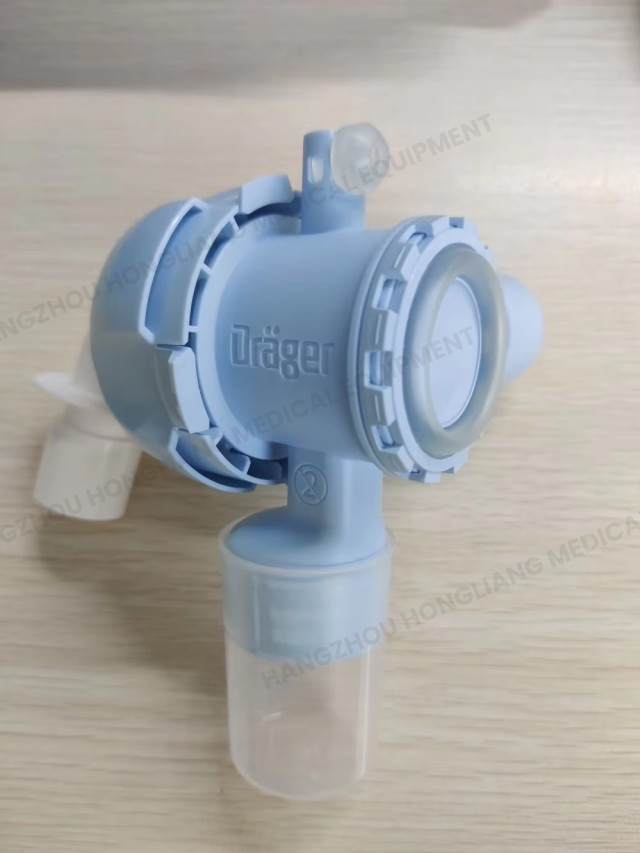
The expiratory valve dictates precise Positive End-Expiratory Pressure (PEEP) during mechanical ventilation. It acts as the primary gatekeeper for patient safety on the floor. When the exhalation block wears down undetected, you face immediate pressure leaks, nuisance alarms, and poor patient synchrony. Equipment goes down unexpectedly, leaving respiratory therapists scrambling. Biomedical and clinical engineering teams must catch these vulnerabilities before they impact care. This guide provides a technical blueprint to evaluate, source, and execute an expiratory valve replacement reliably. We move past reactive troubleshooting into standardized preventative maintenance. You will learn exact thresholds for swapping components, how to spot micro-tears, and how to verify pneumatic integrity post-installation. Stop waiting for a catastrophic failure. Take control of your fleet's uptime with these structured protocols.
Inspection vs. Replacement: Visual inspections must target micro-tears and warping in the exhalation valve diaphragm; replacement should occur strictly according to OEM hours-of-use guidelines or immediately upon failing a leak test.
Reusable vs. Disposable: The choice between a reusable expiratory valve and a disposable expiratory valve hinges on facility sterilization capacity (autoclaving) versus infection control priorities and turnaround time.
Supplier Vetting: Sourcing ventilator replacement parts requires rigorous vetting of the medical spare parts supplier for ISO 13485 compliance, traceability, and exact OEM specifications.
Post-Replacement Protocol: No replacement is complete without comprehensive post-maintenance calibration, pneumatic testing, and concurrent seal replacement to mitigate implementation risks.
Biomedical teams handle rigid preventative maintenance schedules daily. You separate routine diagnostic testing from hard replacement timelines. Routine testing happens during semi-annual checks. Technicians verify basic pneumatic function and run standard self-tests. Hard replacement timelines rely strictly on OEM hours-of-use metrics or maximum sterilization cycle limits. You track operating hours through the ventilator's internal service menu. A typical critical care ventilator requires a comprehensive exhalation block rebuild at 10,000 hours. Do not push components past these hard limits. Waiting for a catastrophic failure on the floor puts patients at risk. Scheduled interventions keep life-support devices ready for immediate deployment. You pull the unit, swap the parts, run the calibrations, and return it to the active fleet.
Technical thresholds dictate when a component swap is mandatory. You evaluate pneumatic integrity first. Monitor resistance metrics across the exhalation block during your bench tests. PEEP stability acts as the primary indicator of valve health. A functional valve maintains the set PEEP without constant micro-adjustments from the proportional solenoids. If you see fluctuating pressure waveforms on the display, you likely have a failing seal. Monitor the baseline leak rate during standby testing. Every manufacturer provides an allowable leak threshold, often around 50 to 100 milliliters per minute. Exceeding this threshold mandates immediate action. You never bypass a failed leak test just to return a unit to service quickly. Strict adherence to these baseline metrics prevents mid-therapy failures.
Structured visual inspections reveal specific failure modes before they trigger alarms. You look for early signs of silicone degradation during every PM. The material becomes brittle, turns yellow, or loses its natural flexibility over time. Sticking valves happen frequently due to excessive moisture buildup in the expiratory limb. Nebulized medications like albuterol leave sticky, crystalline residues on internal surfaces. These residues impede the smooth mechanical operation of the valve mechanism. You must inspect the exhalation valve diaphragm for compromised seals. Stretch the membrane slightly and look for micro-tears along the outer edges. Warping indicates severe material fatigue from repeated pressure cycling. Document all physical degradation in your computerized maintenance management system.
A failing valve directly skews flow sensor readings. The ventilator relies on precise flow data to deliver accurate tidal volumes. When the expiratory valve leaks, the measured return volume drops significantly compared to the inspired volume. The machine interprets this Vti/Vte mismatch as a patient disconnect or a circuit leak. This triggers nuisance alarms and disrupts the respiratory therapist's workflow. Failing valves also cause routine calibration tests to fail repeatedly. The software cannot establish a stable zero-flow baseline if air escapes past the exhalation block. This serves as a primary diagnostic indicator for biomedical technicians. If flow calibration fails despite installing a brand-new flow sensor, check the exhalation block immediately.
Many facilities utilize a reusable expiratory valve for their fleets. You analyze the lifecycle of these durable components based on sterilization limits. Autoclaving subjects the materials to extreme heat, steam, and pressure. This repeated exposure causes inevitable material fatigue. Polymers break down, plastics become brittle, and metal springs lose their calibrated tension. Most OEMs rate these valves for 50 to 100 autoclave cycles. You account for the heavy labor requirements involved. Technicians spend significant time on disassembly, manual pre-cleaning, and bagging. The central sterile processing department requires dedicated bandwidth to handle these components. Reassembly demands strict attention to detail to prevent pinched seals. You track each sterilization cycle using physical punch cards or tracking dots to prevent using degraded parts.
Hospitals frequently transition to single-patient-use models to streamline operations. A disposable expiratory valve offers distinct operational advantages on the floor. These components drastically reduce cross-contamination risks between infectious patients. They eliminate the need for complex, labor-intensive sterilization workflows. Respiratory therapists achieve immediate equipment turnaround. You simply discard the used valve in the biohazard bin and attach a fresh one from the supply room. This efficiency proves vital during high-census respiratory seasons when ventilator demand spikes. You must address the resulting supply chain dependencies. Facilities maintain adequate stock levels at all times. Running out of disposable valves renders the ventilators completely unusable. You balance this convenience against strict inventory management demands.
Feature | Reusable Valves | Disposable Valves |
|---|---|---|
Turnaround Time | Slow (Requires cleaning and autoclaving) | Immediate (Swap and deploy) |
Labor Requirements | High (Disassembly, tracking, reassembly) | Low (Simple installation) |
Infection Control | Dependent on sterilization efficacy | Excellent (Single-patient use) |
Inventory Footprint | Low (Fewer units needed in circulation) | High (Requires bulk storage) |
Material Fatigue | High (Degrades over sterilization cycles) | None (Discarded after use) |
The internal membrane requires specific material properties to function correctly under continuous load. Manufacturers use high-grade medical silicone for these critical components. This material withstands continuous pneumatic stress during high-frequency ventilation. It resists chemical exposure from harsh hospital cleaning agents, glutaraldehyde, and enzymatic detergents. The membrane maintains its elasticity over millions of flex cycles. Loss of elasticity results in sluggish valve response times. This sluggishness causes severe patient-ventilator asynchrony, leading to the patient fighting the vent. You verify the shore hardness and tensile strength specifications before approving a new part. Inferior materials rupture under high PEEP conditions or aggressive recruitment maneuvers. Demand comprehensive material data sheets when evaluating new components for your fleet.
Biomedical teams evaluate aftermarket parts against strict OEM standards. You need a rigid framework for vetting any medical spare parts supplier. Verify their quality management systems first. They must hold current ISO 13485 certifications specifically for medical device manufacturing. Examine their warranty provisions and return policies. A reputable supplier stands behind the reliability of their products with straightforward replacement guarantees. Investigate their historical recall data through regulatory databases. Frequent recalls indicate poor quality control processes on their assembly line. Ensure the aftermarket parts offer an exact-fit guarantee. Dimensional mismatches of even a fraction of a millimeter cause catastrophic leaks during operation. Rigorous vetting prevents substandard parts from entering your clinical environment.
Regulatory compliance remains non-negotiable in clinical engineering departments. You secure FDA or CE compliance documentation for all pneumatic components. Lot tracking is essential for modern hospital inventory systems. You need the ability to trace every valve back to its specific manufacturing batch. This traceability proves critical during unexpected product recalls or adverse event investigations. You maintain accurate, detailed service logs for all ventilator maintenance parts. Hospital accreditation audits routinely inspect these maintenance records to verify compliance. Missing documentation results in severe audit penalties and potential liability. Require your suppliers to provide certificates of conformance with every single shipment. Keep these records organized and easily accessible in your maintenance database.
Clinical engineering directors balance component durability with maintenance overhead. High-quality durable components reduce the frequency of manual interventions. They require fewer labor hours for troubleshooting, recalibration, and replacement. Substandard alternatives demand constant attention from your biomedical technicians. Frequent failures increase the overall maintenance burden and pull staff away from other critical repairs. You evaluate the long-term reliability of the parts you select for the fleet. Reliable components keep ventilators out of the repair shop and in the ICU. They ensure respiratory therapists have access to functional equipment without second-guessing reliability. Minimizing maintenance overhead allows your team to focus on complex diagnostic tasks rather than swapping cheap, broken plastic.
Maintaining optimal stock levels presents a complex logistical challenge. You manage your ventilator replacement parts efficiently to prevent unacceptable equipment downtime. Calculate your safety stock based on historical usage data and seasonal admission spikes. Factor in the average lead time from your primary and secondary suppliers. You avoid tying up excessive hospital resources in stagnant spare parts inventory. Stockouts of critical valves halt patient care immediately. Set up automated reorder points in your inventory software to trigger purchase orders automatically. Establish secondary supplier relationships to mitigate unexpected supply chain disruptions. Proper inventory management guarantees you always have the right parts available on the shelf when a ventilator rolls into the shop.
Managing a mixed fleet with disparate maintenance requirements causes operational friction. It increases the likelihood of human error during complex repairs. Standardizing expiratory valve types across a uniform fleet yields massive efficiency gains. Technicians memorize one set of disassembly, cleaning, and testing procedures. You only stock one type of replacement kit in the parts room. Standardization simplifies training for new biomedical staff and reduces onboarding time. It streamlines the workflow for respiratory therapists setting up the machines in dark patient rooms. Evaluate your current fleet diversity and look for opportunities to consolidate ventilator models. Uniformity drives operational excellence and reduces the margin for error in clinical engineering departments.
Partial fixes introduce severe implementation risks. You avoid replacing only the main membrane while ignoring peripheral parts. Mandate the concurrent inspection and replacement of all associated O-rings. Replace worn seals, gaskets, and valve packing materials simultaneously. Old O-rings suffer from compression set and lose their sealing ability over time. Installing a brand-new valve against a flattened, old O-ring guarantees a pneumatic leak. Treat the entire exhalation block as a single cohesive system. Use comprehensive PM kits that include all necessary peripheral components for a full rebuild. This approach ensures complete pneumatic integrity alongside the main valve and prevents rework.
You execute a mandatory sequence of tests after any replacement. Improper seating of the diaphragm remains a high risk. An unseated membrane fails the leak test immediately and causes loud hissing. Detect and correct these seating issues during the bench testing phase. Never deploy a ventilator that has not passed every single post-maintenance test. Follow these exact steps:
Run the Short Self Test (SST) to verify basic circuit integrity and compliance.
Execute the Extended Self Test (EST) for deep diagnostic checks of the internal pneumatics.
Perform a manual flow calibration to baseline the new valve against the flow sensors.
Conduct rigorous circuit leak tests at maximum operating pressures to check for unseated membranes.
Taking life-support equipment offline requires careful coordination with clinical staff. Provide strategies for scheduling replacements effectively without impacting care. Coordinate with respiratory therapy managers to identify low-census periods in the ICU. Schedule bulk maintenance during these slower operational windows. Implement a rotating fleet maintenance schedule. Pull only a small percentage of ventilators out of service at one time. This ensures continuous availability of equipment for incoming trauma or respiratory patients. Communicate clearly about expected downtime durations for each unit. Have backup ventilators staged, tested, and ready before beginning PM procedures on active units. Efficient downtime management prevents disruptions to patient care and keeps the clinical team confident in your department.
Human error during reassembly poses a significant risk to equipment reliability. Technicians might pinch an O-ring, overtighten a retaining ring, or install a membrane backward. Address these risks through comprehensive, hands-on training programs. Emphasize the importance of standardized, documented procedures for every rebuild. Provide clear visual aids, exploded diagrams, and service manuals at every workbench. Require technicians to follow step-by-step checklists during reassembly and sign off on each step. Implement a peer-review system for complex rebuilds. Have a senior technician verify the work and run the final testing phase. Strict protocol adherence eliminates variability in maintenance quality. Well-trained staff execute replacements flawlessly every time.
Audit your current inventory levels to ensure adequate safety stock of all critical exhalation block components.
Review and update your preventative maintenance schedules to align strictly with OEM hours-of-use guidelines.
Verify the ISO 13485 compliance documentation and lot traceability of your current spare parts suppliers.
Implement a mandatory post-replacement checklist that includes full flow calibration and high-pressure leak testing.
Establish a standardized training protocol for all biomedical technicians handling exhalation block rebuilds.
A: Replacement frequency depends on OEM hours-of-operation guidelines and sterilization cycle limits. Routine diagnostic testing occurs semi-annually or annually. Condition-based replacement is required immediately if the valve fails a leak test, shows physical degradation, or causes persistent calibration errors.
A: Technical symptoms include the inability to hold set PEEP, failed pre-use leak tests, and fluctuating pressure waveforms. Visual inspections often reveal material degradation, micro-tears, yellowing of the silicone, or warping of the membrane edges.
A: Yes. Comprehensive maintenance is critical. Old O-rings suffer from compression set and lose elasticity. Replacing them concurrently prevents secondary leaks from worn peripheral components and ensures complete pneumatic integrity across the entire exhalation block.
A: No. Reusable valves have strict OEM cycle limits, typically between 50 and 100 autoclave cycles. Repeated autoclaving causes material fatigue, breaking down polymers and weakening springs. Facilities must track sterilization cycles meticulously to prevent deploying degraded components.
A: OEM parts are manufactured by the original equipment maker. Aftermarket parts are produced by third parties. When evaluating aftermarket options, you must verify ISO 13485 regulatory compliance, exact-fit guarantees, material specifications, and warranty implications to ensure patient safety.
A: You must run the ventilator's automated self-tests, including the Short Self Test (SST) and Extended Self Test (EST). Follow this with manual high-pressure leak tests. Finally, perform a complete flow sensor calibration to establish a new zero-flow baseline for the system.