


Phone:
+86-187-5829-6389

Views: 0 Author: Site Editor Publish Time: 2025-09-26 Origin: Site
Expiratory valves play a vital role in respiratory care devices, including ventilators, anesthesia machines, and various types of respirators. These valves control the flow of exhaled air, ensuring that exhalation occurs efficiently while preventing contamination or backflow. In clinical and industrial settings, choosing the right type of expiratory valve is essential for patient safety, infection control, and device performance. Broadly, expiratory valves can be categorized into single-use (disposable) and reusable types. Each type has distinct advantages, limitations, and practical considerations. This article provides a comprehensive comparative analysis of single-use versus reusable expiratory valves in respiratory care, using clear and accessible language.
An expiratory valve allows a patient or user to exhale air from a respiratory device while maintaining a controlled environment within the device. In mechanical ventilation, these valves prevent the buildup of carbon dioxide and maintain proper airway pressure. In personal protective equipment like respirators, they facilitate easier exhalation, reducing breathing resistance and improving comfort.
The two main types of expiratory valves—single-use and reusable—differ primarily in their design, material composition, maintenance requirements, and lifespan. Understanding these differences helps healthcare providers, engineers, and industrial users make informed decisions based on efficiency, cost, safety, and infection control.
Single-use expiratory valves, also known as disposable valves, are designed for one-time use. After a single patient or operational session, these valves are discarded and replaced. They are typically made of lightweight plastics or composite materials and are pre-sterilized.
Infection Control: The primary advantage of single-use valves is their ability to minimize cross-contamination. Since the valve is discarded after one use, there is no risk of residual pathogens transferring from one patient to another. This is particularly important in hospitals, intensive care units, and during pandemics, where strict infection control measures are critical.
Convenience: Single-use valves eliminate the need for cleaning, sterilization, and inspection before reuse. This can save valuable time for medical staff, especially in high-demand environments.
Consistent Performance: Every new valve is manufactured to precise standards, ensuring consistent airflow and resistance characteristics. There is no risk of performance degradation due to wear and tear from previous uses.
Lightweight Design: Disposable valves are usually lightweight, which can contribute to overall device comfort, particularly in personal protective equipment.
Cost Over Time: While the per-unit cost may be low, the cumulative expense of purchasing new valves for every use can be significant over time, especially in high-volume clinical or industrial settings.
Environmental Impact: Frequent disposal generates medical or industrial waste, contributing to environmental pollution if not properly managed. Plastics used in disposable valves may take decades to degrade.
Material Limitations: To keep costs down, disposable valves are often made from lower-grade plastics that may not tolerate extreme temperatures or harsh chemicals, limiting their application in certain environments.
Reusable expiratory valves are designed to withstand multiple uses after proper cleaning and sterilization. They are typically constructed from durable materials such as silicone, high-grade plastics, or metals. These valves are common in ventilators, anesthesia circuits, and high-end respirators.
Cost Efficiency: Over time, reusable valves can be more economical than single-use options. Although the initial investment is higher, repeated use reduces the per-use cost, making them suitable for facilities with high patient throughput or industrial applications.
Durability: Reusable valves are built to withstand repeated mechanical stress, high temperatures, and chemical sterilization. Their robust design ensures reliable performance over time, even in demanding environments.
Environmental Benefits: Since these valves can be used multiple times, they generate less waste compared to single-use valves, reducing environmental impact and disposal costs.
Customizable Options: Reusable valves can be designed for specific applications, including adjustable airflow resistance, integrated filtration, or compatibility with specialized devices. This flexibility can improve patient comfort and device performance.
Maintenance Requirements: The most significant drawback of reusable valves is the need for proper cleaning, disinfection, and inspection between uses. Inadequate maintenance can lead to microbial contamination, mechanical wear, or valve malfunction.
Time-Consuming: Cleaning and sterilization procedures require additional time and trained personnel. In busy hospital settings, this may pose logistical challenges.
Potential Performance Degradation: Over time, repeated use and cleaning may degrade valve materials, affecting their sealing capability and airflow characteristics. Routine inspection is essential to ensure reliable performance.
Risk of Human Error: If cleaning or assembly is performed incorrectly, it can compromise valve function and safety. Strict adherence to manufacturer guidelines is necessary.
Single-use valves clearly have an advantage in infection control due to their disposability. They virtually eliminate the risk of cross-contamination, which is critical in infectious disease management. Reusable valves require meticulous cleaning protocols to achieve similar safety levels, which may not always be feasible in high-pressure environments.
Reusable valves are generally more cost-effective over the long term, particularly in high-volume settings. Single-use valves, although convenient, incur ongoing expenses that accumulate quickly. Hospitals or industrial facilities must weigh the convenience of disposables against the long-term savings of reusables.
From an environmental perspective, reusable valves are superior. The frequent disposal of single-use valves contributes to plastic waste and environmental pollution. For facilities committed to sustainability, investing in reusable valves aligns with green initiatives and reduces ecological footprint.
Single-use valves offer more consistent performance because each unit is new and manufactured to precise specifications. Reusable valves may experience slight performance changes over time due to wear, although high-quality materials can mitigate this effect. Proper maintenance is crucial to ensure that reusable valves remain reliable.
Single-use valves are more convenient because they eliminate the need for cleaning and inspection. Reusable valves demand rigorous maintenance procedures and trained personnel, which may complicate workflow in busy settings.
The choice between single-use and reusable valves often depends on the specific application. Single-use valves are ideal for emergency care, temporary use, or environments with high infection risks. Reusable valves are better suited for long-term, high-volume applications where cost efficiency, durability, and environmental considerations are priorities.
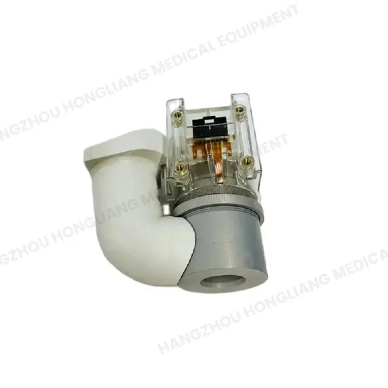
When selecting an expiratory valve, several practical factors should be considered:
Patient Safety: Ensuring proper function and avoiding contamination is the primary concern. In high-risk environments, single-use valves may offer an additional layer of protection.
Device Compatibility: Not all valves are universally compatible. Choosing valves designed for the specific device ensures optimal performance.
Maintenance Capabilities: Facilities must evaluate their capacity to clean and sterilize reusable valves properly. Insufficient resources may make single-use valves a safer option.
Regulatory Guidelines: Healthcare regulations and standards may dictate the use of disposable or reusable components in certain applications. Compliance is mandatory to ensure patient safety and legal accountability.
Environmental Responsibility: Facilities should consider the environmental impact of their choice. Reducing plastic waste and minimizing disposal costs can be achieved with reusable valves.
Both single-use and reusable expiratory valves have distinct advantages and limitations in respiratory care. Single-use valves excel in infection control, convenience, and consistent performance but can be costly and environmentally taxing. Reusable valves offer durability, cost efficiency, and environmental benefits but require proper maintenance, training, and quality assurance to avoid contamination or performance degradation.
The decision between single-use and reusable valves should be guided by the specific requirements of the clinical or industrial setting, patient safety priorities, operational capacity, and environmental considerations. By carefully weighing these factors, healthcare providers and facility managers can make informed decisions that optimize both safety and efficiency in respiratory care.
Ultimately, the choice is not merely about cost or convenience; it is about ensuring that every breath delivered or exhaled through a respiratory device is safe, comfortable, and reliable. Proper selection, maintenance, and usage of expiratory valves—whether single-use or reusable—play a critical role in achieving this goal.