


Phone:
+86-187-5829-6389

Views: 0 Author: Site Editor Publish Time: 2025-07-01 Origin: Site
Flow sensors are essential components in a variety of industries, with a particularly critical role in the medical field. Devices such as ventilators, anesthesia machines, and pulmonary testing equipment depend on accurate flow sensors to monitor and regulate airflow, ensuring patient safety and optimal treatment. However, over time, flow sensors may experience drift, degradation, or inaccuracies caused by environmental factors, physical wear, or contamination. To maintain precision, calibrating the flow sensor regularly is vital.
Calibration is the process of aligning a sensor’s output with a known standard to guarantee that its readings are accurate and reliable. This process improves device performance, extends sensor lifespan, and most importantly, ensures the safety and well-being of patients.
Without proper calibration, flow sensors can deliver inaccurate data that may lead to misinterpretation of patient respiratory status or improper device operation. In medical scenarios, such inaccuracies can have serious consequences, including inadequate ventilation or oxygen delivery, which may harm patients.
Calibration corrects measurement errors and ensures the sensor’s readings reflect the true airflow. Regular calibration also helps identify faulty sensors early, preventing potential device failure. Moreover, many healthcare facilities and regulatory bodies mandate routine sensor calibration to comply with quality and safety standards.
Knowing the appropriate timing for calibration is crucial for maintaining consistent sensor performance. Common triggers for calibration include:
After Long Storage: Sensors that have been stored for a long time might drift from their original settings. Calibration before use ensures they function correctly.
Routine Maintenance: Depending on usage intensity and application criticality, regular calibration schedules (e.g., every 3, 6, or 12 months) help maintain accuracy and reliability.
Post-Repair or Replacement: After repairing or replacing sensor components, calibration is necessary to realign sensor outputs.
When Errors or Alarms Occur: If device readings become inconsistent, or alarms trigger frequently, it could indicate sensor drift needing immediate calibration.
Calibration methods for flow sensors vary depending on the sensor type, application requirements, and available equipment. Choosing the right calibration approach ensures accuracy, efficiency, and reliability. The main calibration methods commonly used include:
This is the most widely used method, particularly in medical and industrial settings. It involves using a precision flow generator or a reference flow meter that produces a series of known, stable airflow rates. During calibration, the flow sensor under test is exposed to these controlled flow rates, and its output is measured and compared against the reference values. Based on this comparison, calibration adjustments or correction factors are applied to the sensor’s output to align it with the true flow measurements.
Reference flow calibration is highly accurate and reliable but requires access to specialized calibration rigs and equipment certified to national or international standards.
Manual calibration involves a skilled technician performing tests by applying different known flow rates to the sensor and recording the sensor’s output readings at each point. The technician then manually adjusts the sensor parameters — such as offset and gain — to correct any discrepancies between measured and expected values.
While manual calibration is flexible and useful for sensors without automated calibration features, it requires extensive experience and attention to detail to avoid human errors. This method is often preferred when dealing with legacy equipment or in-field calibrations without sophisticated tools.
Modern flow sensors and associated medical devices often incorporate automatic calibration capabilities. These systems use integrated software and hardware to streamline the calibration process. The device automatically runs through a sequence of known flow rates, analyzes sensor output, and adjusts calibration parameters internally without requiring manual intervention.
Automatic calibration reduces calibration time, improves repeatability, and minimizes human error. It is especially beneficial in high-volume clinical environments or industrial settings where consistent accuracy and efficiency are paramount.
Some advanced flow sensors support digital calibration, where calibration curves and correction parameters are stored electronically in the sensor or device firmware. Calibration adjustments can be applied remotely via software updates, often without physically removing the sensor.
Firmware-based calibration allows quick adaptation to sensor aging, environmental changes, or performance drifts. It also supports remote diagnostics and maintenance, making it a future-forward approach aligned with the trend toward smart medical devices and Industry 4.0 automation.
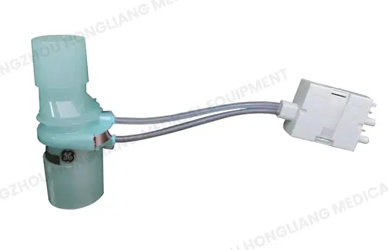
Successful calibration requires appropriate tools and a controlled environment:
Flow Calibration Unit: A precise flow generator or reference flow meter capable of stable and accurate flow output is essential.
Cleaning Supplies: Contaminants affect accuracy; proper cleaning of sensors before calibration is necessary.
Calibration Software: When applicable, manufacturer-provided software helps automate data collection and adjustments.
Stable Environment: Temperature, humidity, and pressure should be stable to prevent interference with measurements.
Proper Fixtures and Adapters: Ensure the sensor is securely connected without leaks.
Proper calibration of a flow sensor involves a systematic process to ensure accurate airflow measurement and reliable device performance. Follow these detailed steps to perform a thorough calibration:
Begin by carefully disconnecting the flow sensor from the medical device or system. It is important to power down the device beforehand to avoid any electrical hazards. Once removed, inspect the sensor closely for any visible physical damage such as cracks, corrosion, or wear. Additionally, check for any contamination—dust, oils, or residues—that could interfere with sensor function. Clean the sensor meticulously following the manufacturer’s recommended cleaning procedures to remove all debris and ensure unobstructed airflow during calibration.
Securely attach the sensor to the calibration rig or flow generator using the appropriate adapters or fixtures. Double-check that all connections are airtight and free from leaks, as even minor air leaks can cause significant measurement errors. Proper sealing ensures that the airflow passing through the sensor is precisely controlled and corresponds exactly to the calibration reference.
Power on the calibration setup, including any associated software tools. Configure the calibration parameters according to the sensor’s technical specifications and the manufacturer’s guidelines. This step may include setting the sensor model, flow range, temperature compensation, and other relevant settings. Proper initialization is crucial for the calibration system to accurately communicate with the sensor and record valid data.
Systematically introduce a series of known airflow rates through the sensor, spanning from the minimum detectable flow up to the maximum operational flow rate specified by the manufacturer. These reference flows should be stable and precisely controlled by the calibration rig or flow generator. At each flow rate, carefully record the sensor’s output signals. Testing across the full flow range ensures the sensor’s accuracy throughout its entire operating spectrum.
Compare the recorded sensor outputs against the reference flow values. Calculate deviations and determine whether the sensor readings require adjustment. Depending on the sensor model, adjustments can be performed either manually—by tuning offset, gain, or slope parameters—or automatically via calibration software. The goal is to fine-tune the sensor output so that it aligns as closely as possible with the true flow rates, minimizing measurement errors.
Once adjustments are made, repeat the flow testing at multiple points to verify that the sensor now provides accurate and consistent readings throughout the entire flow range. Confirm that all measurements fall within the manufacturer’s specified error margins or industry standards. If discrepancies remain, re-assess calibration parameters and repeat the adjustment process until satisfactory accuracy is achieved.
Thoroughly document every detail of the calibration procedure. This includes the date of calibration, technician’s name, equipment used, flow rates tested, raw sensor outputs, calibration adjustments applied, and final accuracy verification results. Maintaining comprehensive calibration records is essential for regulatory compliance, quality assurance, and future maintenance planning. Well-kept documentation also facilitates troubleshooting and provides proof of due diligence in clinical and industrial environments.
Environmental Interference: Variations in temperature, humidity, or pressure can impact sensor readings. Perform calibration in controlled conditions or apply environmental compensation.
Sensor Contamination: Residue or debris can cause inaccurate readings; thorough cleaning is essential.
Wear and Damage: Physical sensor degradation may prevent proper calibration, necessitating replacement.
Non-linear Sensor Response: Some sensors require advanced calibration methods to address non-linearities.
Inadequate Equipment: Using uncalibrated or inaccurate reference tools leads to poor calibration.
Proper calibration of flow sensors is essential for ensuring the accuracy, reliability, and safety of medical devices that depend on precise airflow measurements. Regular calibration using the right methods and equipment helps maintain sensor performance, prevent costly device malfunctions, and ultimately improve patient care quality.
For healthcare professionals and device manufacturers seeking high-quality flow sensors or expert calibration support, Hangzhou Hongliang Medical Equipment Co., Ltd. is a trusted partner. With a broad selection of compatible flow sensors designed for major medical brands and tailored calibration services, they provide reliable solutions to meet your specific needs.
To learn more about their products or receive professional guidance on flow sensor calibration, visit www.hzhlmedical.com or contact their experienced team today. Ensuring precision starts with the right sensor and expert support—choose Hangzhou Hongliang Medical Equipment for peace of mind in respiratory care.