


Phone:
+86-187-5829-6389

Views: 0 Author: Site Editor Publish Time: 2026-01-27 Origin: Site
Oxygen sensors are critical components in modern vehicles, playing a key role in optimizing engine performance and controlling emissions. They monitor the oxygen levels in the exhaust gases and provide real-time data to the engine control unit (ECU), which adjusts the air-fuel mixture for optimal combustion. This process not only ensures better fuel efficiency but also helps minimize harmful emissions such as carbon monoxide, hydrocarbons, and nitrogen oxides. When an oxygen sensor becomes faulty, it can disrupt this balance, leading to poor engine performance, increased fuel consumption, and higher emissions. Replacing a malfunctioning sensor is essential for restoring proper engine function, improving fuel efficiency, and ensuring the vehicle meets environmental standards.
To successfully replace an oxygen sensor, you’ll need a few essential tools. Here's a breakdown of what you’ll require for a smooth and safe replacement process:
Wrench or Socket Set: These are necessary for loosening and removing bolts or nuts that secure the oxygen sensor to the exhaust system. Make sure the set includes the correct sizes for your vehicle's sensor.
Oxygen Sensor Socket: This specialized socket fits directly over the oxygen sensor, allowing you to remove it without damaging it or the surrounding area. It’s typically designed with a cutout for the sensor’s wiring.
Penetrating Oil: If the sensor is rusted or stuck, penetrating oil like WD-40 will help loosen it. Apply the oil generously to the base of the sensor and allow it to sit for a few minutes before attempting to remove it.
Jack and Jack Stands: If the oxygen sensor is located under the vehicle, you'll need a jack to lift the car and jack stands to secure it in place while you work. This ensures you can access the sensor safely from underneath.
Safety Gear (Gloves & Safety Glasses): Always wear gloves to protect your hands from sharp edges and debris, and safety glasses to shield your eyes from any oil or rust particles that might be released during the process.
Identifying a faulty oxygen sensor early is crucial to preventing engine performance issues and excessive emissions. Here’s how to recognize a malfunctioning sensor and locate it in your vehicle:
Poor Engine Performance: A faulty oxygen sensor can lead to sluggish acceleration, poor idling, and reduced engine power. You may notice the engine struggling to reach higher speeds or not responding as quickly to the accelerator.
Increased Emissions: When the oxygen sensor fails to monitor the exhaust gases accurately, the engine may burn fuel inefficiently. This can result in higher levels of harmful pollutants like carbon monoxide (CO) and hydrocarbons (HC) being emitted into the environment.
Check Engine Light: One of the most common indicators of a malfunctioning oxygen sensor is the Check Engine Light (CEL). If the oxygen sensor is faulty, it will trigger a diagnostic trouble code (DTC) in the vehicle's computer system, causing the light to illuminate. Using an OBD-II scanner, you can retrieve codes like P0130 or P0133, which indicate issues with the oxygen sensor.
Upstream vs. Downstream Sensors:
Upstream Sensors: These are located before the catalytic converter and are often called "pre-catalytic converter sensors." They measure the oxygen content in the exhaust gases before they pass through the converter, providing data for adjusting the air-fuel mixture.
Downstream Sensors: These are located after the catalytic converter and are known as "post-catalytic converter sensors." Their primary role is to monitor the efficiency of the catalytic converter in reducing harmful emissions.
Sensor Position in the Exhaust System:
Typically, the oxygen sensors are located in the exhaust pipe or manifold. The upstream sensor is closer to the engine, while the downstream sensor is positioned further along the exhaust system, usually just before or after the catalytic converter.
Before replacing the oxygen sensor, it’s crucial to take safety precautions and ensure proper access to the sensor. Here’s how to prepare:
Disconnect the Battery: Always disconnect the vehicle’s battery before working on electrical components like the oxygen sensor. This helps prevent any electrical shorts or accidental triggering of airbags while you’re working.
Wear Protective Gear: It’s essential to wear safety gloves and safety glasses. Gloves protect your hands from sharp edges and debris, while safety glasses shield your eyes from oil, rust, or any other particles that might fly up during the replacement process.
Lift the Vehicle Safely: If the oxygen sensor is located underneath the vehicle (typically for downstream sensors), you’ll need to lift the vehicle to access it. Use a hydraulic jack to raise the car and jack stands to securely hold it in place. Never work under a car that’s only supported by a jack—always use stands for safety.
Ensure Proper Clearance: Make sure there’s enough room for you to comfortably work underneath the vehicle. If your car has low ground clearance, consider using a car ramp instead of a jack to avoid straining yourself while working.
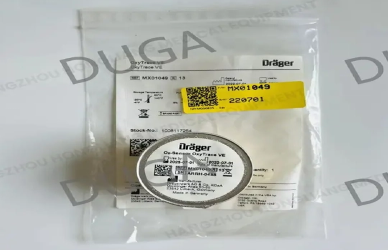
Replacing an oxygen sensor is a straightforward process if done correctly. Follow these steps to ensure a successful replacement:
Locate the Sensor: Refer to your vehicle’s manual or look under the vehicle to identify the oxygen sensor. Upstream sensors are located before the catalytic converter, while downstream sensors are found after it.
Identify the Faulty Sensor: Check for signs like poor engine performance, check engine light, or any diagnostic trouble codes (DTCs) that point to an issue with the sensor.
Apply Penetrating Oil: Spray penetrating oil (like WD-40) around the base of the oxygen sensor where it’s threaded into the exhaust pipe. Let it sit for about 10-15 minutes to help loosen any rust or corrosion, making the sensor easier to remove.
Disconnect the Wiring: Carefully disconnect the wiring harness from the oxygen sensor. There will usually be a clip or connector that you’ll need to unclip. Be gentle to avoid damaging the connector or the wiring.
Use the Correct Socket: Select the oxygen sensor socket (which has a cut-out for the sensor's wiring). Fit it over the sensor and use a wrench or socket wrench to unscrew it from the exhaust pipe. Turn counterclockwise to remove the old sensor.
Install the New Sensor: Carefully thread the new oxygen sensor into the exhaust pipe. Hand-tighten it first to avoid cross-threading.
Reconnect the Wiring Harness: Plug the wiring harness back into the new oxygen sensor. Ensure it’s connected securely to avoid any loose connections.
Tighten the Sensor: Use the appropriate socket wrench to tighten the sensor into place. Be careful not to overtighten, as this can damage the sensor or the exhaust pipe threads.
Recheck Installation: Double-check the sensor is installed correctly and that the wiring is properly connected and secured.
Reconnect the Battery: If you disconnected it earlier, securely reconnect the battery terminals.
Clear DTCs: Use an OBD-II scanner to clear any diagnostic trouble codes (DTCs) that the faulty sensor may have triggered. This resets the check engine light and updates the vehicle’s computer.
Test Drive: Take the car for a short test drive to ensure the engine is running smoothly. Check for any rough idling or hesitation.
Monitor Performance: Ensure the check engine light stays off and the vehicle is performing as expected. If everything seems normal, the new sensor is working properly.
Symptoms include poor engine performance, increased emissions, and the check engine light being on.
Yes, replacing the oxygen sensor is a DIY job if you have the right tools and some mechanical knowledge.
Replacing an oxygen sensor typically takes about 30 minutes to 1 hour, depending on your experience and vehicle accessibility.
Yes, you may need to clear the diagnostic trouble codes (DTCs) from the ECU using an OBD-II scanner to reset the check engine light.
Replacing a faulty oxygen sensor is essential for maintaining your vehicle’s efficiency and reducing harmful emissions. A malfunctioning sensor can lead to poor engine performance, increased fuel consumption, and higher emissions, all of which negatively impact both your wallet and the environment. Regular inspections and timely replacements of the oxygen sensor are key to ensuring your engine runs smoothly and stays within emission standards. By addressing sensor issues promptly, you can prevent more serious engine problems down the line, ultimately saving on costly repairs and improving the overall lifespan of your vehicle.