


Phone:
+86-187-5829-6389

Views: 0 Author: Site Editor Publish Time: 2025-09-15 Origin: Site
Selecting the right oxygen sensor is not just a technical decision—it is a strategic choice that influences safety, efficiency, and compliance across industrial operations. At Hangzhou Hongliang Medical Equipment, we recognize how critical sensor technology is for industries ranging from combustion control to medical applications. In this article, we will explore the main types of industrial oxygen sensors, explain where each is best used, and highlight what engineers and procurement teams should look for when choosing the most suitable solution.
Industrial oxygen sensors are available in several core technologies, each with distinct principles of operation and advantages. The most common types include zirconia, electrochemical, paramagnetic, and optical (optode-based).
Zirconia oxygen sensors use a solid-state ceramic electrolyte to measure oxygen concentration by detecting voltage differences created between reference air and sample gas. Known for their durability and ability to withstand high temperatures, zirconia sensors are widely used in combustion systems and flue gas monitoring. They provide continuous measurement and offer long service life when properly calibrated.
Electrochemical oxygen sensors rely on a chemical reaction between oxygen and an electrolyte to produce a measurable current. These sensors are compact, relatively low-cost, and effective for environments where lower temperature operation is necessary. They are common in portable instruments, safety monitoring systems, and certain medical devices.
Paramagnetic oxygen sensors exploit oxygen’s natural magnetic properties. When oxygen molecules are exposed to a magnetic field, they create a measurable displacement that indicates concentration. This type is highly accurate, stable, and suitable for applications where long-term precision is essential, such as emissions testing or continuous ambient monitoring.
Optical oxygen sensors, sometimes referred to as optodes, use luminescence quenching techniques. A dye or coating responds to the presence of oxygen, and changes in light emission are measured to determine concentration. These sensors are ideal for environments sensitive to interference or where non-consumptive measurement is required. They are increasingly used in biotechnology, water treatment, and specialized process monitoring.
Choosing the correct oxygen sensor technology depends on the industrial context and performance requirements. Each type aligns with specific operational demands.
Combustion Control: Zirconia sensors dominate here. They withstand high exhaust temperatures and provide real-time measurement to optimize combustion efficiency in boilers, furnaces, and engines.
Emissions Monitoring: Paramagnetic sensors are preferred due to their long-term stability and high precision. They ensure compliance with stringent environmental regulations by continuously tracking oxygen in exhaust streams.
Safety Applications: Electrochemical sensors are practical for confined space safety or portable detectors. They provide reliable alarms when oxygen levels drop below safe thresholds, protecting workers.
Medical and Laboratory Use: Electrochemical and optical sensors both play roles. Electrochemical types suit short-term use in devices such as anesthesia monitors, while optical systems are chosen for laboratory environments requiring non-invasive measurement.
Biotechnology and Aquatic Monitoring: Optical/optode sensors are favored because they measure dissolved oxygen without consuming the sample, crucial in sensitive biological applications.
By aligning sensor technology with its application environment, engineers avoid over-specification, reduce maintenance demands, and ensure regulatory compliance.
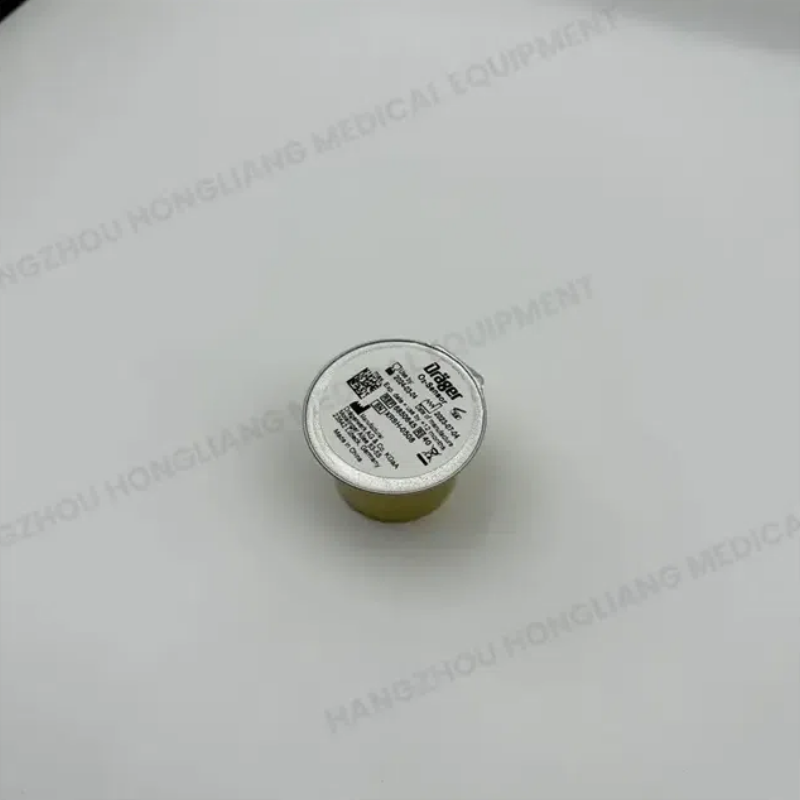
Beyond technology type, procurement teams must weigh technical specifications to ensure a sensor meets operational needs.
Measurement Range: Typical oxygen sensors measure from trace ppm levels to 100% oxygen. For combustion, wide ranges (0–25% or more) are important, while medical systems may need precision in narrow ranges.
Response Time: Rapid response is critical in safety systems where oxygen levels may drop suddenly. Optical and electrochemical sensors generally provide faster response than zirconia in low-temperature settings.
Operating Temperature: Zirconia sensors excel in hot exhaust environments, tolerating temperatures above 600°C, whereas electrochemical models are best in cooler conditions.
Output Signals: Compatibility with control systems matters. Sensors may provide millivolt signals, 4–20 mA current loops, or digital outputs (e.g., RS485, Modbus). Procurement engineers must match these with existing process control infrastructure.
Understanding these parameters allows procurement teams to compare solutions on more than just price.
The long-term reliability of an oxygen sensor depends heavily on its calibration and maintenance requirements.
Zirconia Sensors: Require periodic calibration with reference gases. With proper care, they often provide service life exceeding five years.
Electrochemical Sensors: Have a shorter lifespan, typically 1–2 years, due to electrolyte consumption. Regular replacement is necessary, especially in continuous-use safety systems.
Paramagnetic Sensors: Known for longevity, often lasting 8–10 years with minimal calibration drift.
Optical Sensors: Offer stable performance but may need recalibration if exposed to contaminants or sensor dye degradation.
For industrial buyers, factoring expected maintenance schedules into procurement decisions can significantly reduce downtime and lifecycle costs.
Correct installation ensures that an oxygen sensor delivers accurate and reliable data.
Sampling Considerations: For exhaust or flue gases, sampling probes must withstand corrosive gases and condensation. Heated sample lines may be required to prevent water interference.
Mounting: Sensors should be installed in accessible locations for calibration and replacement. Engineers should avoid areas with vibration or excessive dust that can shorten sensor life.
Temperature Control: Zirconia sensors often require integral heaters for accurate operation. Ensuring stable heater power supply avoids drift and inaccuracies.
Signal Integration: Always confirm that the output format aligns with plant control systems. For digital systems, compatibility with protocols such as Modbus or Profibus must be validated before procurement.
By following these practical steps, engineers can maximize sensor reliability and minimize integration challenges.
Procurement managers should follow a structured checklist when selecting an industrial oxygen sensor:
Certifications and Compliance: Ensure compliance with ISO, CE, ATEX, or local safety standards.
Supplier Support: Confirm availability of spare parts and replacement cells to reduce downtime.
Calibration Support: Assess whether the supplier offers calibration kits or services.
Environmental Suitability: Verify operating range and housing protection (IP ratings) for harsh or hazardous areas.
Total Cost of Ownership: Balance upfront price with expected lifespan, maintenance, and energy requirements.
Customization Options: For specialized industries such as healthcare or high-temperature combustion, flexibility in output or design can be a deciding factor.
Procurement teams that evaluate beyond unit price secure better long-term value and operational stability.
Oxygen sensor selection is about balancing technology type, application demands, and procurement priorities. Zirconia oxygen sensors deliver robust performance in combustion, electrochemical models remain practical for portable and safety use, paramagnetic types ensure long-term accuracy in emissions testing, and optical sensors open new possibilities for biotechnology and laboratory work. At Hangzhou Hongliang Medical Equipment, we are dedicated to supporting industries with reliable, high-quality sensor solutions that align with diverse operational environments. If you are considering upgrading or sourcing industrial oxygen sensor systems for your facility, contact us today to discuss the best options for your needs.