


Phone:
+86-187-5829-6389

Views: 0 Author: Site Editor Publish Time: 2025-09-11 Origin: Site
When the time comes for oxygen sensor replacement, car owners often face a common dilemma: should you choose an OEM (original equipment manufacturer) sensor or go with an aftermarket option? The answer depends on more than just price. Fit, performance reliability, and long-term durability all play major roles in making the right choice. At Hangzhou Hongliang Medical Equipment, while our expertise lies in medical products, our supply chain knowledge extends to technical components like oxygen sensors, helping buyers understand how to balance cost, compatibility, and performance when making purchasing decisions.
An OEM oxygen sensor is manufactured either by the same company that supplied the part for the vehicle’s production line or by a certified partner. This means the sensor is built to the exact specifications the vehicle’s onboard computer was programmed to recognize.
The biggest advantage of an OEM part is guaranteed fit and calibration. It plugs directly into the existing connector, threads into the exhaust manifold or pipe without modification, and provides a signal output that matches the car’s engine control unit (ECU) expectations. This reduces the risk of compatibility issues such as error codes, rough idling, or failed emissions tests.
Buyers who want peace of mind often choose OEM oxygen sensors despite higher costs. The decision is largely about minimizing uncertainty. For drivers of newer cars still under warranty, OEM parts may also be required to maintain coverage. Reliability and proven calibration are the two strongest arguments for staying with OEM.
Another often-overlooked benefit is durability. Because OEM parts meet strict quality control standards, they tend to last closer to the vehicle manufacturer’s expected service interval. For buyers who prefer fewer replacements and reduced maintenance hassle, OEM remains a strong contender.
Aftermarket oxygen sensors are produced by third-party manufacturers and can be attractive due to lower cost and wider availability. But the aftermarket world is not one-size-fits-all. There are several categories:
These are designed to replicate OEM dimensions and connectors, making installation straightforward. For many buyers, direct-fit aftermarket parts strike a balance between affordability and ease of use.
Universal sensors require splicing or adapting connectors. They may be appealing for older vehicles or budget-conscious buyers, but they come with additional installation challenges. Errors in wiring or improper matching can lead to inaccurate readings.
Performance enthusiasts may opt for wideband aftermarket oxygen sensors. These provide more detailed air-fuel ratio data, which is valuable for engine tuning, racing, or diagnostic accuracy. However, unless you are modifying your vehicle or require high-precision monitoring, a standard narrowband sensor will be sufficient.
The key consideration with aftermarket sensors is quality. Some are nearly indistinguishable from OEM in terms of accuracy, while others may introduce inconsistencies. This is why buyers must carefully evaluate the sensor type and supplier reputation. For fleet managers or repair shops, purchasing from a supplier with a proven track record can help avoid costly returns or misdiagnoses.
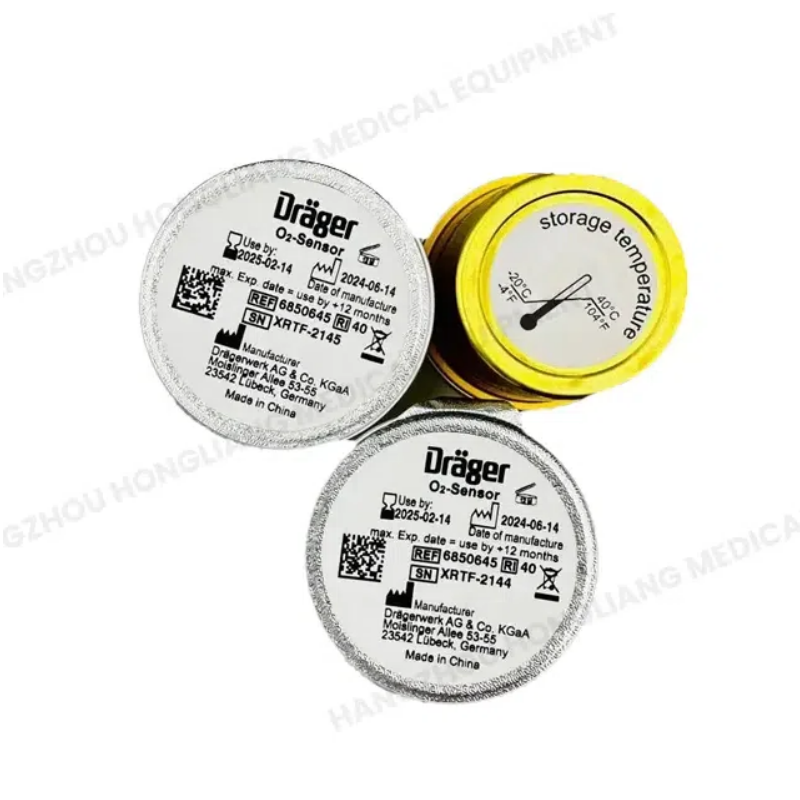
Choosing between OEM and aftermarket oxygen sensors should not be based on brand name alone. Compatibility is critical to ensuring correct function. Here is a checklist to follow:
Connector Type
Does the sensor come with the right plug to fit your car’s wiring harness?
Adapters or splicing may cause signal interference.
Thread Size and Seat Design
The sensor must screw directly into the exhaust system without forcing.
Incorrect threads may cause leaks or cross-threading damage.
Heater Circuit
Most modern oxygen sensors include a heater to reach operating temperature quickly.
Verify whether your car requires a heated or unheated sensor.
Signal Type
Narrowband sensors switch voltage between rich and lean readings.
Wideband sensors provide detailed ratio data.
Ensure the sensor signal type matches your ECU programming.
Vehicle Year, Make, and Model
Cross-check the sensor part number with your car’s specifications.
Even within the same brand, different years may use different connectors or calibration.
By going through this list, you significantly reduce the risk of purchasing a sensor that causes drivability issues or fails to install properly. A careful compatibility check saves time, money, and ensures smoother vehicle operation after installation.
Performance is another key factor in choosing between OEM and aftermarket sensors. Most cars are equipped with narrowband sensors from the factory. These sensors work perfectly well for stock engines and ensure compliance with emissions regulations.
However, if you are modifying your vehicle or engaging in custom tuning, a wideband oxygen sensor becomes a better choice. Wideband sensors measure the air-fuel ratio with greater precision, allowing for fine-tuned adjustments. They are commonly used in motorsports or by mechanics performing detailed diagnostics.
For everyday driving, especially if the car is unmodified, sticking with a narrowband sensor — whether OEM or quality aftermarket — is the most practical option. Wideband sensors can offer more information, but unless your ECU is designed to interpret that data, it will not provide added value.
It is also worth noting that oxygen sensor performance affects more than emissions. A malfunctioning or mismatched sensor can lead to reduced fuel economy, sluggish acceleration, or even long-term engine damage. For this reason, selecting the right sensor is an investment in vehicle health as much as it is a repair decision.
Regardless of whether you choose an OEM or aftermarket oxygen sensor, practical buying details like installation, warranty, and return policies must be reviewed before making a purchase.
Ease of Installation
OEM sensors typically install without hassle.
Aftermarket direct-fit sensors also install easily, but universal sensors may require tools and wiring work.
Warranty
OEM parts usually carry manufacturer-backed warranties.
Reputable aftermarket suppliers also offer warranties, but coverage may be shorter.
Return Policy
Check whether the supplier allows returns if the part is incompatible.
This is especially important for universal sensors or when buying for older vehicles with varying specifications.
Technical Support
Some suppliers provide technical guidance or installation manuals.
This additional support can make the difference between a smooth repair and a frustrating process.
As a supplier rooted in precision manufacturing and customer-centered service, Hangzhou Hongliang Medical Equipment emphasizes the importance of these details. Buyers should always clarify warranty terms and installation requirements before finalizing a purchase.
When deciding between OEM and aftermarket oxygen sensors, start with your priorities. If you value guaranteed fit, calibration accuracy, and warranty coverage, OEM sensors are the safest path. If you want affordability and flexibility, high-quality aftermarket direct-fit options may suit your needs. For performance tuning or advanced diagnostics, wideband sensors deliver the precision required.
At the end of the day, the best oxygen sensor replacement is the one that matches your vehicle’s needs, fits your budget, and supports long-term engine performance. Hangzhou Hongliang Medical Equipment continues to build trust by supplying high-quality products and guiding buyers toward informed purchasing decisions. For more details about our product lines and to discuss your requirements, please contact us.