


Phone:
+86-187-5829-6389

Views: 0 Author: Site Editor Publish Time: 2025-09-24 Origin: Site
Expiratory valves are essential components in respiratory care equipment, including ventilators, anesthesia machines, and personal protective respirators. These valves control the flow of exhaled air, ensuring that patients or users can breathe comfortably while maintaining a safe environment. Because they directly affect patient safety, performance reliability, and infection control, expiratory valves are subject to strict regulatory standards. These standards govern their design, materials, testing, and overall quality to minimize risks and ensure consistent performance. Understanding these regulations is crucial for manufacturers, healthcare providers, and users alike. This article explores how regulatory standards shape the development and safety of expiratory valves in a detailed, accessible way.
Regulatory standards provide a framework that ensures medical and industrial devices meet minimum safety, quality, and performance requirements. For expiratory valves, these standards are critical because a malfunction can lead to severe consequences, such as impaired ventilation, increased work of breathing, or exposure to harmful contaminants.
In addition to patient safety, regulatory standards help manufacturers:
Maintain consistent product quality.
Reduce liability and legal risks.
Facilitate global market access, since compliance with recognized standards is often a requirement for device approval in different countries.
For users, compliance with regulatory standards guarantees that the device they rely on will function reliably under expected conditions.
Several organizations establish standards for expiratory valves and respiratory devices. Among the most influential are the U.S. Food and Drug Administration (FDA), the International Organization for Standardization (ISO), the European Committee for Standardization (CEN), and the National Institute for Occupational Safety and Health (NIOSH).
In the United States, the FDA regulates medical devices, including ventilators and respirators. Expiratory valves are considered part of these devices, so they must meet FDA requirements for safety, effectiveness, and quality control.
Key FDA considerations include:
Material Safety: The valve materials must be non-toxic, biocompatible, and resistant to degradation over time.
Performance Testing: Valves must demonstrate consistent airflow control, proper sealing, and reliable operation under various conditions.
Manufacturing Standards: Devices must be manufactured under Good Manufacturing Practices (GMP) to ensure consistent quality.
Post-Market Surveillance: Manufacturers must monitor valve performance after release to identify potential safety issues.
ISO develops international standards to ensure the safety and performance of medical devices, including respiratory equipment. Several ISO standards specifically address expiratory valves:
ISO 10651-4: Focuses on ventilators for critical care, including requirements for expiratory valves.
ISO 13485: Specifies quality management system requirements for medical devices, ensuring consistent production and design control.
ISO 10993: Addresses biocompatibility testing for materials used in medical devices, ensuring they do not cause harmful reactions when in contact with humans.
ISO standards are widely recognized and often serve as the basis for regulatory approval in multiple countries, making them critical for global market access.
In Europe, expiratory valves fall under the Medical Device Regulation (MDR) framework. CEN provides harmonized standards, such as EN 149 for respiratory protective devices, including personal protective respirators. Key elements of these standards include:
Filtration efficiency and valve leakage limits.
Requirements for durability under repeated use or cleaning.
Guidelines for labeling, instructions for use, and safety warnings.
Compliance with EN standards is often mandatory for CE marking, which is required to sell respiratory devices within the European Union.
NIOSH plays a major role in occupational respiratory protection. For respirators used in workplaces, expiratory valves must meet NIOSH certification requirements. This includes testing for:
Airflow Resistance: Ensuring the valve opens and closes easily without creating excessive breathing effort.
Valve Integrity: Confirming that the valve reliably prevents backflow or leakage of contaminated air.
Durability: Evaluating performance over repeated use, including exposure to dust, chemicals, or extreme temperatures.
NIOSH standards are particularly important for industrial respirators used in mining, construction, and chemical manufacturing.
Regulatory standards influence nearly every aspect of expiratory valve design. Manufacturers must select materials that are biocompatible, durable, and resistant to chemical or thermal degradation. Common materials include medical-grade silicone, rubber, and specialized plastics.
Standards also dictate mechanical design features:
Valve Seating: Precise tolerances are required to prevent air leakage.
Flow Characteristics: Valves must provide smooth airflow without creating excessive resistance.
Durability: Valves must maintain function after repeated opening and closing cycles, cleaning, and sterilization (for reusable valves).
By adhering to these standards, manufacturers ensure valves are safe, effective, and compatible with a wide range of respiratory devices.
Regulatory compliance requires extensive testing. Typical tests include:
Leakage Tests: To confirm the valve prevents unintended airflow in either direction.
Airflow Resistance Tests: To ensure users can exhale comfortably without excessive effort.
Durability and Fatigue Tests: Simulating long-term use to identify potential mechanical failures.
Material Safety Tests: Evaluating biocompatibility, chemical resistance, and absence of toxic substances.
Certification from regulatory authorities or recognized third-party organizations is often mandatory before valves can be marketed. This certification provides assurance that the valve meets internationally accepted safety and performance criteria.
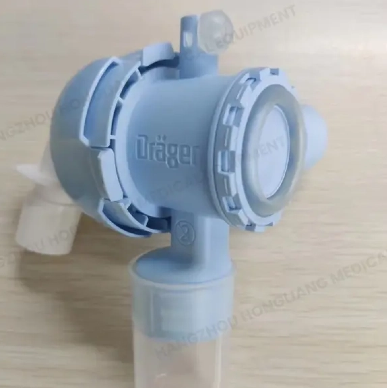
Regulatory standards not only ensure safety but also drive innovation in expiratory valve design. Manufacturers must balance compliance with performance, comfort, and cost-effectiveness. Innovations often include:
Advanced Materials: Development of lightweight, durable, and biocompatible materials that withstand harsh conditions.
Low-Resistance Designs: Valves engineered to reduce breathing effort while maintaining effective sealing.
Reusable and Sustainable Options: Designs that allow multiple uses with safe sterilization, reducing environmental impact.
Integration with Sensors: Some modern valves include sensors to monitor airflow or detect malfunction, aligning with emerging regulatory expectations for smart devices.
By adhering to regulatory standards, manufacturers ensure that these innovations are safe, reliable, and legally marketable.
Despite the benefits, regulatory compliance presents challenges:
Complex Approval Processes: Meeting multiple standards across different regions can be time-consuming and costly.
Continuous Updates: Standards are regularly updated to reflect new scientific knowledge, requiring manufacturers to adapt designs and processes.
Balancing Performance and Compliance: High-performance features must align with strict safety and material requirements, sometimes limiting design freedom.
Manufacturers must invest in research, testing, and quality control to navigate these challenges successfully.
Regulatory standards play a central role in shaping the development and safety of expiratory valves. Organizations such as the FDA, ISO, CEN, and NIOSH establish comprehensive guidelines that address material safety, performance, durability, and infection control. Compliance ensures that valves function reliably, protect users, and maintain consistent quality across devices.
By adhering to these standards, manufacturers not only meet legal and safety requirements but also drive innovation in design, materials, and performance. Healthcare providers and industrial users benefit from improved safety, comfort, and reliability, while patients and workers gain confidence that the devices supporting their respiratory needs meet the highest safety criteria.
Ultimately, regulatory standards are more than a set of rules—they are a cornerstone of trust, safety, and innovation in the development of expiratory valves. They ensure that every breath delivered or exhaled through a respiratory device is safe, controlled, and reliable, protecting both users and the broader environment.