


Phone:
+86-187-5829-6389

Views: 0 Author: Site Editor Publish Time: 2025-09-28 Origin: Site
Exhalation valves are critical components in many respiratory devices, including gas masks, respirators, and ventilators. Their primary function is to allow the user to exhale air out of the device while preventing outside contaminants from entering. When these valves malfunction, they can compromise safety, comfort, and device efficiency. Understanding the causes of exhalation valve failure is essential for ensuring proper maintenance, safe use, and timely replacement. This article explores the factors that can cause exhalation valves to malfunction in a detailed, straightforward manner.
One of the most common causes of exhalation valve malfunction is the buildup of dirt, dust, and other debris. During use, especially in industrial or outdoor environments, particles can accumulate on the valve surfaces. These particles may obstruct the valve flap or the valve seat, preventing it from opening or closing properly. For instance, a small piece of dust lodged between the valve and its seating can lead to air leakage, making breathing more difficult and reducing the protective function of the device.
Regular cleaning is vital to prevent debris accumulation. For disposable masks, this is less of an issue because the valve is designed for short-term use. However, for reusable respirators, especially those used in dusty or smoky environments, cleaning the valve after every use is highly recommended. A simple rinse with warm water and mild detergent, followed by thorough drying, can extend the life of the valve.
Exhalation valves are subject to mechanical stress every time the user breathes. Over time, the continuous opening and closing can cause the valve flap to weaken or the sealing surfaces to wear down. Rubber, silicone, and plastic materials used in valve construction can degrade due to repeated stress, temperature changes, or exposure to UV light.
As the valve material wears out, it may fail to form a proper seal, causing air to leak either inward or outward. This not only reduces the efficiency of the device but can also make breathing more laborious. Regular inspection of valve integrity is important. Signs of wear include visible cracks, discoloration, stiffness, or warping of the valve components. Replacing worn valves promptly can prevent safety hazards and maintain optimal performance.
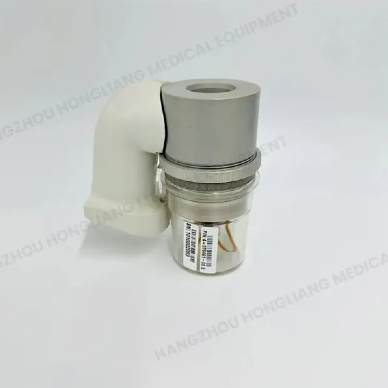
Another significant factor leading to exhalation valve malfunction is incorrect installation or assembly. Many respirators and gas masks require the user or technician to install the valve correctly to ensure proper functioning. If the valve is misaligned, loosely fitted, or inserted upside down, it will not operate as intended.
For instance, a valve installed backward may block exhaled air, causing resistance while breathing and potentially creating a dangerous buildup of carbon dioxide inside the mask. Always follow the manufacturer’s instructions during assembly and perform a quick functionality check by gently exhaling to ensure the valve opens and closes smoothly.
Exposure to certain chemicals can degrade the materials used in exhalation valves. Solvents, oils, acids, or other harsh substances can weaken rubber, silicone, and plastic components. This chemical attack may cause the valve to lose elasticity, crack, or even become sticky, making it difficult to open or close.
Workers in chemical plants or laboratories must be especially cautious. Valves should be selected based on their chemical resistance and regularly inspected for signs of corrosion or material fatigue. Using valves not designed for specific chemical exposures can result in rapid deterioration and device failure.
Temperature extremes, whether hot or cold, can affect valve performance. Extremely high temperatures can cause plastic components to warp or soften, while cold temperatures can make rubber or silicone stiff and less flexible. Both conditions compromise the valve’s ability to seal properly.
In cold environments, a stiff valve may not open fully during exhalation, creating breathing resistance. Conversely, in hot environments, a softened valve might fail to close completely, allowing contaminants to enter. Choosing valves rated for the expected temperature range and storing devices in appropriate conditions can mitigate these problems.
Moisture is another factor that can interfere with exhalation valve function. During normal breathing, water vapor from exhaled air can condense on the valve surfaces, especially in cold or humid environments. Over time, this condensation can cause the valve to stick or become less responsive.
Moreover, if a valve is not dried properly after cleaning or use in wet conditions, trapped moisture can lead to mold growth or material degradation. Regular drying and inspection are crucial, especially for reusable devices, to ensure the valve continues to operate smoothly.
Physical damage from impact, dropping, or mishandling can also cause exhalation valves to malfunction. Even a minor crack or dent in the valve housing or flap can prevent proper sealing. In some cases, users may accidentally bend the valve flap while removing or adjusting the mask, leading to improper function.
It is important to handle respiratory devices with care and store them in protective cases or containers when not in use. Inspecting the valve for mechanical damage before each use is a simple yet effective way to prevent malfunctions.
Though less common, exhalation valve malfunctions can occur due to manufacturing defects. Poor-quality materials, improper molding, or incomplete assembly during production can lead to early valve failure. These defects may manifest as uneven surfaces, weak spots, or flaps that do not seal correctly.
When purchasing respirators or masks, it is important to buy from reputable manufacturers who follow strict quality control procedures. If a new device exhibits valve issues right from the start, it should be returned or replaced under warranty.
Not all exhalation valves are universal. Using a valve that is not specifically designed for a particular mask or respirator can result in poor performance. Even slight differences in valve size, shape, or material compatibility can prevent proper sealing and compromise airflow.
Always ensure that replacement valves match the specifications provided by the device manufacturer. Using incompatible components is a common cause of malfunction and can undermine both comfort and safety.
Finally, improper maintenance can inadvertently lead to valve malfunctions. Some users may attempt to lubricate a valve with oils or greases not recommended by the manufacturer, which can degrade the valve material. Others may use harsh cleaning chemicals or scrub the valve aggressively, damaging the flap or seat.
Following the manufacturer’s maintenance guidelines is essential. This includes proper cleaning methods, suitable cleaning agents, and appropriate storage practices. Regular maintenance ensures longevity and reliable operation, while careless practices can reduce valve life and create hazards.
Exhalation valves are crucial for the safe and effective operation of respiratory devices. Malfunctions can result from a wide range of factors, including dirt and debris accumulation, wear and tear, improper installation, chemical exposure, temperature extremes, moisture, mechanical damage, manufacturing defects, incompatibility with the device, and poor maintenance practices.
Understanding these potential causes allows users to take proactive measures, such as regular inspection, proper cleaning, careful handling, and adherence to manufacturer guidelines. By addressing these factors, the risk of valve malfunction can be minimized, ensuring both safety and comfort for users in a variety of environments. Regular maintenance, correct installation, and careful use are the key steps in preserving exhalation valve function and extending the life of respiratory protective devices.