


Phone:
+86-187-5829-6389

Views: 0 Author: Site Editor Publish Time: 2025-09-19 Origin: Site
The oxygen sensor, often called the O2 sensor, is one of those unseen parts that keeps a car running efficiently and cleanly. While many drivers only think about tires, brakes, or oil changes, the oxygen sensor quietly measures what is happening in the exhaust and sends vital information to the engine’s computer. Understanding how this sensor works, where it is placed, and what happens when it fails can help car owners avoid costly problems and keep vehicles environmentally friendly. At Hangzhou Hongliang Medical Equipment, although our core business is medical products, our expertise in precision components extends into automotive applications as well. By highlighting the role of the oxygen sensor, we aim to give buyers and fleet managers clear, practical knowledge of why this part matters.
At its core, an oxygen sensor measures how much oxygen remains in the exhaust gases after combustion. This simple idea is powerful: if there is too much oxygen, the engine is running lean (not enough fuel), and if there is too little oxygen, it is running rich (too much fuel). The sensor generates a signal that helps the engine control unit (ECU) adjust the air–fuel mixture in real time.
Two common types are found in modern vehicles: narrowband and wideband sensors. Narrowband sensors, common in older models, switch quickly between rich and lean signals. They are effective but limited because they only tell the ECU whether the mixture is above or below the ideal ratio, not how far off it is. Wideband sensors, by contrast, provide a continuous signal that shows the exact proportion of oxygen present. This greater precision allows for better fuel efficiency, lower emissions, and smoother performance.
For drivers, the difference may not be obvious at first, but when vehicles transitioned to wideband sensors, the improvements in mileage and emission control became significant. The technology reflects how small innovations in measurement can create a large impact on everyday driving.
Placement is just as important as the technology itself. A typical car uses more than one oxygen sensor, installed both upstream and downstream in the exhaust system.
The upstream sensor sits before the catalytic converter, often near the exhaust manifold. This location allows it to provide real-time feedback to the ECU about the air–fuel mixture immediately after combustion. In essence, it acts as the control sensor, continuously helping the ECU adjust injection timing and fuel delivery.
The downstream sensor is located after the catalytic converter. Its job is slightly different: rather than directly adjusting fuel, it monitors how effectively the catalytic converter is working. By comparing signals from the upstream and downstream sensors, the system can determine whether the catalytic converter is reducing harmful gases as expected.
This division of roles explains why vehicles often have multiple oxygen sensors, and why replacing the correct one matters. A faulty upstream sensor will usually affect performance and economy directly, while a failing downstream sensor is more about emission control and passing inspections.
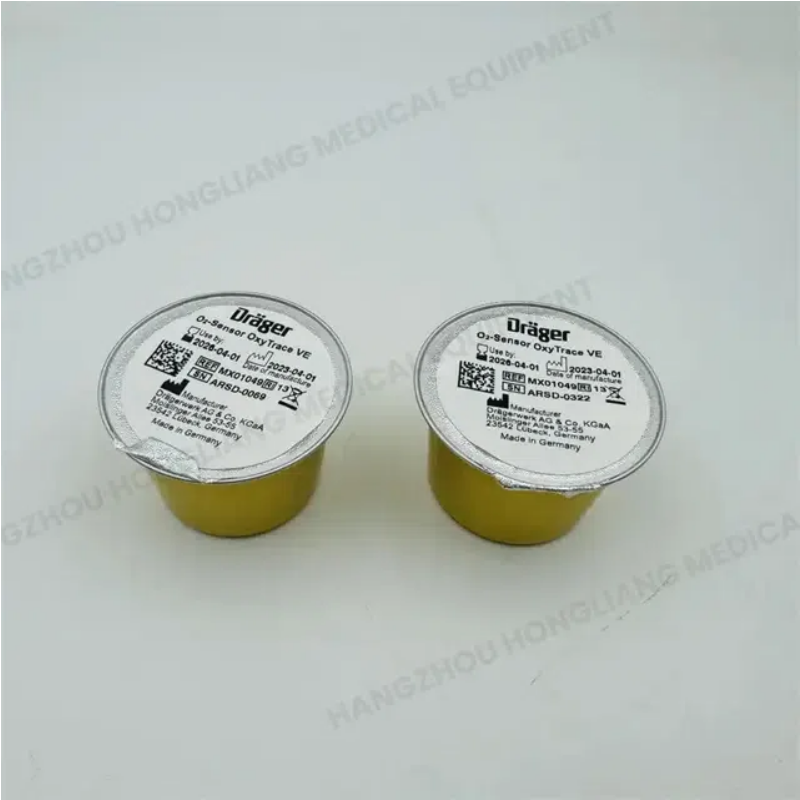
Because the oxygen sensor works quietly in the background, many drivers are unaware of it until something goes wrong. However, there are noticeable symptoms when a sensor starts to fail.
The most common warning is the check engine light. Modern cars use onboard diagnostics to detect when sensor readings are out of range. Alongside the warning light, drivers might notice rough idling, sluggish acceleration, or a drop in fuel efficiency. In some cases, black smoke from the exhaust or the smell of unburned fuel indicates that the air–fuel ratio is far off balance.
Another subtle sign is inconsistent performance. The car may run smoothly on some trips but feel hesitant on others. Because the ECU is receiving unreliable data, its adjustments become less precise, creating a cycle of uneven operation. These signs should not be ignored, as running the vehicle for long periods with a failing sensor can damage other components, including the catalytic converter.
The cause-and-effect relationship here is simple. When the oxygen sensor gives incorrect information, the ECU cannot properly adjust the fuel mixture. If it adds too much fuel, the result is wasted gasoline, fouled spark plugs, and higher emissions. If it cuts fuel too aggressively, the engine may run hot and create more nitrogen oxides, which contribute to smog.
Fuel economy is one of the first things drivers notice. Even a small error in mixture control repeated thousands of times per trip can add up to significant fuel loss. Beyond cost, failing sensors lead directly to higher emissions of carbon monoxide, hydrocarbons, and other pollutants. This is why emission tests in many regions immediately flag vehicles with faulty oxygen sensors.
For fleet managers or used-car buyers, understanding this impact is critical. A car with a bad oxygen sensor not only costs more to run but also risks failing regulatory checks. Ensuring the sensor is functioning properly protects both the environment and the investment in the vehicle.
Fortunately, oxygen sensors are designed with durability in mind. On average, they last tens of thousands of miles, though lifespan depends on driving conditions, fuel quality, and engine maintenance. Frequent short trips or exposure to contaminated fuel can shorten their life.
Routine checks are relatively straightforward. Mechanics often use scan tools to read live data from the sensors. If the response is slow, erratic, or stuck in one position, replacement is usually recommended. Visual inspection may also reveal physical damage or heavy carbon buildup.
Drivers should remember that oxygen sensors are not meant to last forever. Like spark plugs or filters, they are consumable components that need attention over the vehicle’s life. Scheduling inspections as part of regular maintenance ensures that problems are detected before they affect performance or emissions. For those managing multiple vehicles, building sensor checks into a maintenance plan can prevent small issues from escalating.
The oxygen sensor may be hidden deep in the exhaust system, but its role in keeping cars efficient, clean, and reliable is undeniable. From measuring exhaust gases with precision to ensuring catalytic converters work effectively, this small component has a big impact on both performance and environmental responsibility. At Hangzhou Hongliang Medical Equipment, our dedication to precision and reliability reflects in every product we supply, including oxygen sensors that meet the strict demands of today’s automotive industry. For car owners, the checklist is simple: watch for warning lights, note any drop in fuel efficiency, and include sensor checks in regular maintenance. When in doubt, a quick scan can confirm whether the oxygen sensor is working as it should. To learn more about our range of quality products or to discuss your specific needs, contact us today.