


Phone:
+86-187-5829-6389

Views: 0 Author: Site Editor Publish Time: 2025-09-30 Origin: Site
Breathing is one of the most natural things humans do, and yet behind each breath lies a delicate balance of airflow, pressure, and control. In normal physiology, our lungs and muscles handle this balance automatically. However, in medical devices, respiratory machines, and even personal protective equipment like masks, valves are critical in ensuring that air flows in the right direction and at the right time. One such key component is the exhalation valve.
Understanding the function of the exhalation valve is not only important for doctors and medical professionals, but also for engineers designing respiratory systems, patients using ventilators or CPAP machines, and even individuals curious about how protective masks work. In this article, we will explore the function of the exhalation valve, its role in different systems, why it is essential, and how it contributes to safety and efficiency.
An exhalation valve is a mechanical component designed to allow air to leave a closed system in a controlled way. It acts as a “gatekeeper” for exhaled air, opening at the right time to let carbon dioxide exit and closing to ensure that fresh air or oxygen is properly delivered during inhalation.
Exhalation valves are used in several contexts:
Medical ventilators in hospitals.
CPAP and BiPAP machines for sleep apnea therapy.
Anesthesia delivery systems in operating rooms.
Protective respiratory masks, such as N95 masks with valves.
Though they may look small, these valves are vital to the function and safety of each device. Without them, airflow would be unregulated, leading to dangerous complications.
The primary function of the exhalation valve is to direct airflow. It allows air to leave the system during exhalation and prevents backflow during inhalation. This ensures a one-way movement of air, just as our lungs naturally manage when we breathe without assistance.
One of the body’s main goals during exhalation is to remove carbon dioxide (CO₂), the waste product of metabolism. In respiratory support systems, the exhalation valve ensures that this CO₂ is expelled effectively and does not mix with the next breath of oxygen-rich air.
In many medical situations, such as mechanical ventilation, it is important to maintain a certain level of pressure in the lungs even during exhalation. This is called positive end-expiratory pressure (PEEP). The exhalation valve can partially close during exhalation to maintain this pressure, helping to keep the alveoli (tiny air sacs in the lungs) open and improving oxygen exchange.
Exhalation valves also help synchronize the machine with the patient’s natural breathing cycle. When the patient begins to exhale, the valve opens to allow easy airflow out. When it is time to inhale again, the valve closes, ensuring smooth transition and comfort.
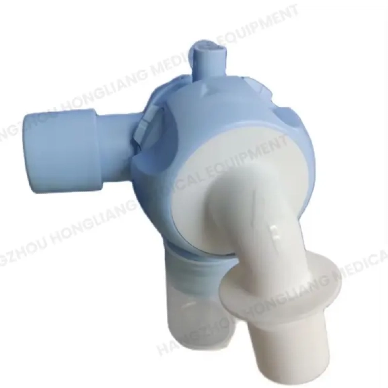
In intensive care, ventilators use exhalation valves to control the phases of breathing. The valve closes during inspiration to allow air into the lungs, and it opens during expiration so the patient can breathe out. This precise timing is critical to patient safety, especially for those who cannot breathe on their own.
For patients with sleep apnea, CPAP or BiPAP machines deliver continuous or variable pressure to keep airways open at night. The exhalation valve plays a crucial role in ensuring that exhaled air leaves the mask and tubing effectively, preventing the rebreathing of carbon dioxide.
During surgery, anesthesia machines deliver controlled amounts of anesthetic gases. The exhalation valve ensures that exhaled gases leave the patient circuit and do not dilute the fresh gas mixture. This keeps anesthesia levels stable and safe.
Some protective masks, such as N95 respirators with valves, include exhalation valves to make breathing easier. These valves open when the wearer exhales, allowing warm, moist air to escape, and close when inhaling to maintain protection. Although they do not filter exhaled air, they reduce heat buildup and improve comfort for the user.
The exhalation valve may seem like a small component, but its importance cannot be overstated:
Ensures Proper Gas Exchange: By expelling carbon dioxide, it keeps each breath fresh and safe.
Improves Efficiency: Prevents wasted oxygen and ensures that inhaled air is directed where it is needed.
Maintains Comfort: Regulates airflow in a way that feels natural, reducing breathing effort.
Supports Safety: Prevents rebreathing of exhaled gases, which could otherwise lead to oxygen deprivation.
Allows Pressure Control: In critical care, helps maintain PEEP, which is essential for patients with weak or damaged lungs.
Despite their importance, exhalation valves can sometimes malfunction. Common problems include:
Valve Sticking: Moisture, secretions, or dust can prevent proper movement.
Air Leakage: A poor seal can reduce effectiveness and safety.
Improper Timing: If the valve does not open or close in sync with the breathing cycle, it can cause discomfort or harm.
Wear and Tear: Over time, valves may degrade and require replacement.
Routine inspection and maintenance are crucial, especially in medical settings where patient safety is at stake.
Interestingly, while machines rely on physical valves, the human body uses its own natural structures to regulate airflow. The glottis and surrounding muscles act like valves, opening during breathing and closing during speaking, swallowing, or coughing. In this way, artificial exhalation valves mimic natural biological functions, reinforcing how vital precise airflow control is in life processes.
Modern technology has brought significant improvements to exhalation valves. Advanced ventilators use electronically controlled proportional valves instead of simple mechanical ones. These can finely adjust how much the valve opens, improving patient comfort and synchronization.
Some designs include sensors that detect patient effort, automatically adjusting valve behavior in real-time. This makes breathing support smoother and less intrusive, especially for patients who are partially able to breathe on their own.
When working with exhalation valves, whether in healthcare or personal devices, several practical points must be kept in mind:
Always ensure proper fit and seal. A poorly fitted valve can compromise safety.
Check for blockages or moisture buildup. Even small obstructions can affect valve performance.
Regularly inspect and replace worn parts. Preventative maintenance avoids sudden failures.
Understand the system. Different devices use different valve mechanisms, so proper training is essential for safe use.
The function of the exhalation valve is simple yet vital: it allows exhaled air to leave the system safely, prevents rebreathing of carbon dioxide, and ensures proper synchronization of breathing cycles. In medical ventilators, CPAP machines, anesthesia circuits, and even protective masks, this small component plays a life-saving role.
Without the exhalation valve, respiratory systems would lose efficiency, comfort, and safety. By directing airflow, maintaining pressure, and supporting natural breathing rhythms, it ensures that every breath counts. Whether in the hospital or in everyday protective equipment, the exhalation valve reminds us that even the smallest parts can have the biggest impact on human health.